
10 Meetups On Purebred German Shepherd Dog You Should Attend
페이지 정보
작성자 Desiree 작성일25-04-17 06:16 조회6회 댓글0건관련링크
본문
The Purebred German Shepherd Dog
The GSD is the perfect balance of speed and strength. Its high trainability and natural instincts to protect make them loved family dogs.
If you are looking for buy a black german shepherd a purebred german shepherd dog, look for breeders who have a commitment to ethical breeding and who are concerned about the health of their dogs. Requesting pedigree papers as well as prior health clearances can help you determine reputable breeders.
Characteristics
German Shepherds are intelligent, powerful dogs that are easy to train. They are loyal to their families and are able to be fearless guardians. The breed standard says that the GSD must be stable of temperament, self-assured, and courageous. It should also be obedient and willing to obey.
The breed is strong, medium-sized and slightly longer. It has a distinctive double coat made up of a hard outer layer as well as an undercoat that is soft. Its eyes are dark, almond-shaped, and set slightly obliquely. The ears are pointed and wide at the base. The tail is long and extends to below the hocks when the dog is in a relaxed state. The dog's long, slightly sloping neck is characteristic. The chest is wide and deep. The spine is firm and the ribs are well-sprung.
The breed is generally sound however it is prone to serious faults such as roached-backs and long pasterns that hinder the proper movement. Its hindquarters must be powerful but not overly so. The rear leg should not extend beyond the point where the foot leaves an impression.
As working dogs as well as working dogs, the GSD has high-drives that are naturally present (behavioral tendencies and desires for things like territorial protectiveness and hunting prey). If these high-drives aren't fulfilled through work or play this can result in aggressive behavior. Show-type German Shepherds have been developed to reduce these urges. However, they still need lots of positive reinforcement, physical exercise, and mental stimulation in order to maintain a balance life.
GSDs are generally reserved around strangers and may be suspicious of them at first. This is a characteristic that makes them great guard dogs, but requires proper training to prevent overreactions. When socialized properly from a young age they can make great pets for the family. They're also great with kids.
The GSD has a high pain threshold and is resistant to illnesses, but it does have certain health conditions that may impact its quality of life. This includes seizures and epilepsy, as well as bleeding disorders. By taking precautions, such as limiting the dog's exposure to harmful UV rays and making sure that it is regularly vaccinated will help reduce the chance of developing these conditions.
Temperament
German Shepherds are smart and eager to learn and extremely capable of being trained. They are a working breed and excel at a variety of jobs, including herding, police work such as search and rescue detection of drugs and bombs and guiding blind. They also make excellent family members. However, this strong and confident breed requires a clear sense of purpose and the attention of an assertive owner to use their strength and energy in a positive manner. They require a lot of exercise and space, and might not be suited for smaller living spaces.
The ideal German Shepherd is well-balanced and confident, with a strong and steady temperament. They are loyal, alert and sceptical of strangers. If they aren't properly socialized and trained in this manner, their protective and vigilant behavior can become aggressive. They are extremely smart and can be self-sufficient and easily bored, which is why they require a good outlet for their natural curiosity.
Max von Stephanitz, the founder of the breed, used shorthaired and longhaired German Shepherds in his breeding program. This led to an animal that is friendly and obedient. He did not agree with those who believed that German Shepherds should be a showpiece, and he ensured that his dogs were stable in their temperaments with strong herding instincts and a sound body structure. He was against breeding dogs with temperaments that were unstable, or with sharp angles on their croups or front and rear pasterns. He believed that these traits would hinder the ability of the breed to fulfill its usual tasks.
In addition to the hereditary diseases that can plague any breed of dog, German Shepherds are prone to cancers, such as Hemangiosarcoma. It is a cancer that typically affects blood-rich organs like the liver and spleen. They also can develop lung, bone or intestinal cancers.
You can prevent these diseases by maintaining the physical health of your German Shepherd. This includes giving him a balanced diet and regular exercise. Make sure he has plenty of opportunities to run and play outside, in a safe area away from traffic and other hazards. Keep him looking neat by scrubbing his dense double coat on a regular basis and using a de-shedding device or an undercoat rake to get rid of loose hairs. It is also recommended to visit your vet regularly for regular health check-ups.
Health
German Shepherds are generally healthy dogs, however they do have some health issues. They are susceptible to ear infections, and they can develop ailments that affect their ears and eyes such as degenerative amyelopathy. Both male and female dogs can suffer from hereditary von Willebrand disease, a genetic condition that limits the ability of dogs to clot blood.
GSDs are a working breed and consequently, they are subject to intense training. As a result, they can develop joint problems. A common one is hip dysplasia, characterized by a lack of growth and development of the joint and cartilage that can result in pain, lameness, and other symptoms. This is not a serious condition but can be painful to the dog.
Breeders who are reputable X-ray the dogs they breed and use the results to make breeding decisions. The x-rays aid in determining the health and genetic background of the puppy, as well as the likelihood that it will develop dysplasia. Dogs with a high likelihood of developing the disorder are not breed.
Like many large breeds, German Shepherds can suffer from panosteitis. This causes bones to grow quickly and unevenly, causing pain and stiffness in the limbs. This condition is most prevalent in German Shepherd puppies and dogs under 18 months of age who are experiencing the midst of a massive growth spurt.
The dogs require food that is rich in protein, as well as a large amount of omega fatty acids and balanced vitamins to maintain the health of their coat and skin. They can benefit from joint support in their diet including glucosamine as well as chondroitin. Dogs younger than 18 months should be given moderate exercise such as walking and playing with another dog if they're compatible. However they shouldn't run at full speed, as this could damage their joints that are growing.
Feeding table food or animal bones should be avoided, as these can cause vomiting, diarrhea, anorexia, and pancreatitis. Puppies and adult dogs can benefit by a probiotic supplementation program to aid digestion, and from digestive enzyme supplements to assist in the breakdown of proteins. Vitamin and mineral supplements are not necessary, as a well-formulated AAFCO-approved diet should contain the right amount of these nutrients.
Training
German Shepherds are highly trainable and biddable dogs who thrive under a knowledgeable trainer's guidance. They are therefore a good option for military, King Shepherd Kaufen police search and rescue and therapy dog roles. But their unwavering loyalty also makes them a great family pet when properly trained and socialized.
The first step in raising an appropriately adjusted GSD is socialization. Introduce your puppy to variety of people and other animals from an early age, by taking them on frequent walks, playing games, and even visiting local dog parks. This will make them feel more comfortable and secure and SchäFerhund Welpen öSterreich Kaufen will teach them to trust people from a young age.
It requires patience, perseverance as well as positive reinforcement to train the German shepherd. Avoid negative reinforcement methods like yelling or physical punishment, which can result in fear-based aggression. Use clicker training or rewards-based training to teach your German Shepherd the basic commands.
Daily enrichment is important for your German Shepherd. Mental stimulation exercises are as essential for an GSD as physical exercise, particularly when you have an area with a lot of activity. This helps them remain focused and reinrassiger deutscher schäferhund züchter (akvabreg.by) less likely to be distracted by noises or storms or other dogs in the park, or crowds at competitions or public events.
Certain health conditions that are unique to German Shepherds include hemangiosarcoma, cancer of the bones lung, lungs, and the intestinal tract, as well as pannus (superficial keratitis). All of these diseases can be prevented by responsible breeding and lifestyle accommodations.
German Shepherds are loving family dogs despite their reputation as a feared breed. When they are exposed to children from a young age they can be incredibly affectionate and gentle towards smaller pets such as cats. However, their size and strength make them formidable guardians and they should be observed around children who are younger. If they aren't exposed enough to socialization and training and are not properly socialized, they could exhibit signs of aggression. Enrolling your German Shepherd into a puppy school or obedience class will ensure that he gets the training and socialization that he needs to be successful.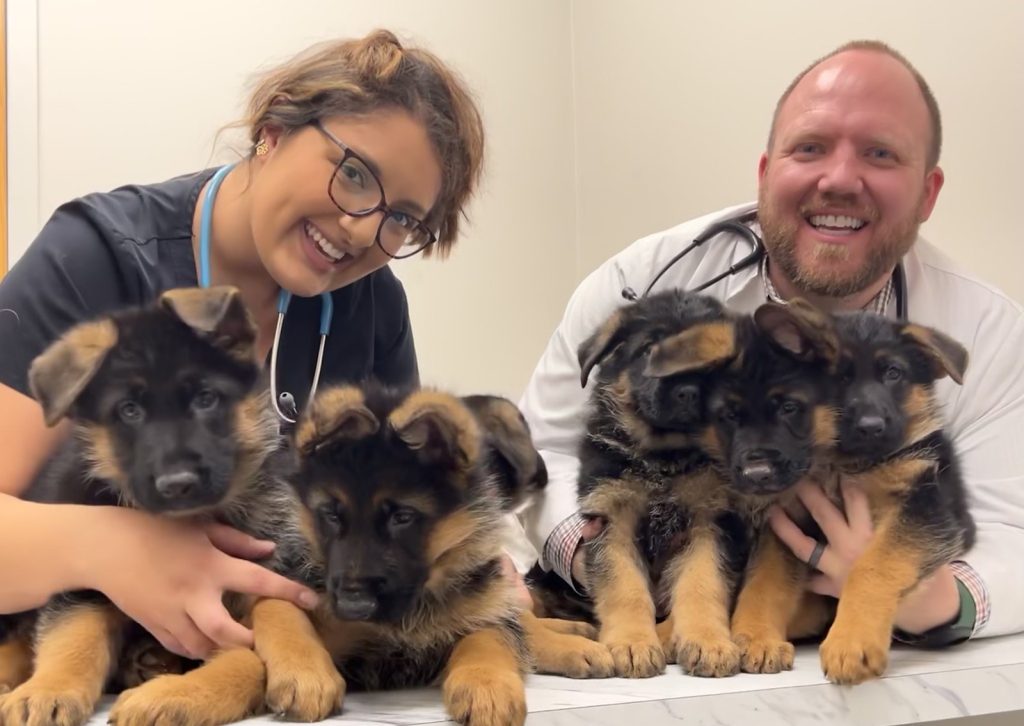
The GSD is the perfect balance of speed and strength. Its high trainability and natural instincts to protect make them loved family dogs.
If you are looking for buy a black german shepherd a purebred german shepherd dog, look for breeders who have a commitment to ethical breeding and who are concerned about the health of their dogs. Requesting pedigree papers as well as prior health clearances can help you determine reputable breeders.
Characteristics
German Shepherds are intelligent, powerful dogs that are easy to train. They are loyal to their families and are able to be fearless guardians. The breed standard says that the GSD must be stable of temperament, self-assured, and courageous. It should also be obedient and willing to obey.
The breed is strong, medium-sized and slightly longer. It has a distinctive double coat made up of a hard outer layer as well as an undercoat that is soft. Its eyes are dark, almond-shaped, and set slightly obliquely. The ears are pointed and wide at the base. The tail is long and extends to below the hocks when the dog is in a relaxed state. The dog's long, slightly sloping neck is characteristic. The chest is wide and deep. The spine is firm and the ribs are well-sprung.
The breed is generally sound however it is prone to serious faults such as roached-backs and long pasterns that hinder the proper movement. Its hindquarters must be powerful but not overly so. The rear leg should not extend beyond the point where the foot leaves an impression.
As working dogs as well as working dogs, the GSD has high-drives that are naturally present (behavioral tendencies and desires for things like territorial protectiveness and hunting prey). If these high-drives aren't fulfilled through work or play this can result in aggressive behavior. Show-type German Shepherds have been developed to reduce these urges. However, they still need lots of positive reinforcement, physical exercise, and mental stimulation in order to maintain a balance life.
GSDs are generally reserved around strangers and may be suspicious of them at first. This is a characteristic that makes them great guard dogs, but requires proper training to prevent overreactions. When socialized properly from a young age they can make great pets for the family. They're also great with kids.
The GSD has a high pain threshold and is resistant to illnesses, but it does have certain health conditions that may impact its quality of life. This includes seizures and epilepsy, as well as bleeding disorders. By taking precautions, such as limiting the dog's exposure to harmful UV rays and making sure that it is regularly vaccinated will help reduce the chance of developing these conditions.
Temperament
German Shepherds are smart and eager to learn and extremely capable of being trained. They are a working breed and excel at a variety of jobs, including herding, police work such as search and rescue detection of drugs and bombs and guiding blind. They also make excellent family members. However, this strong and confident breed requires a clear sense of purpose and the attention of an assertive owner to use their strength and energy in a positive manner. They require a lot of exercise and space, and might not be suited for smaller living spaces.
The ideal German Shepherd is well-balanced and confident, with a strong and steady temperament. They are loyal, alert and sceptical of strangers. If they aren't properly socialized and trained in this manner, their protective and vigilant behavior can become aggressive. They are extremely smart and can be self-sufficient and easily bored, which is why they require a good outlet for their natural curiosity.
Max von Stephanitz, the founder of the breed, used shorthaired and longhaired German Shepherds in his breeding program. This led to an animal that is friendly and obedient. He did not agree with those who believed that German Shepherds should be a showpiece, and he ensured that his dogs were stable in their temperaments with strong herding instincts and a sound body structure. He was against breeding dogs with temperaments that were unstable, or with sharp angles on their croups or front and rear pasterns. He believed that these traits would hinder the ability of the breed to fulfill its usual tasks.
In addition to the hereditary diseases that can plague any breed of dog, German Shepherds are prone to cancers, such as Hemangiosarcoma. It is a cancer that typically affects blood-rich organs like the liver and spleen. They also can develop lung, bone or intestinal cancers.
You can prevent these diseases by maintaining the physical health of your German Shepherd. This includes giving him a balanced diet and regular exercise. Make sure he has plenty of opportunities to run and play outside, in a safe area away from traffic and other hazards. Keep him looking neat by scrubbing his dense double coat on a regular basis and using a de-shedding device or an undercoat rake to get rid of loose hairs. It is also recommended to visit your vet regularly for regular health check-ups.
Health
German Shepherds are generally healthy dogs, however they do have some health issues. They are susceptible to ear infections, and they can develop ailments that affect their ears and eyes such as degenerative amyelopathy. Both male and female dogs can suffer from hereditary von Willebrand disease, a genetic condition that limits the ability of dogs to clot blood.
GSDs are a working breed and consequently, they are subject to intense training. As a result, they can develop joint problems. A common one is hip dysplasia, characterized by a lack of growth and development of the joint and cartilage that can result in pain, lameness, and other symptoms. This is not a serious condition but can be painful to the dog.
Breeders who are reputable X-ray the dogs they breed and use the results to make breeding decisions. The x-rays aid in determining the health and genetic background of the puppy, as well as the likelihood that it will develop dysplasia. Dogs with a high likelihood of developing the disorder are not breed.
Like many large breeds, German Shepherds can suffer from panosteitis. This causes bones to grow quickly and unevenly, causing pain and stiffness in the limbs. This condition is most prevalent in German Shepherd puppies and dogs under 18 months of age who are experiencing the midst of a massive growth spurt.
The dogs require food that is rich in protein, as well as a large amount of omega fatty acids and balanced vitamins to maintain the health of their coat and skin. They can benefit from joint support in their diet including glucosamine as well as chondroitin. Dogs younger than 18 months should be given moderate exercise such as walking and playing with another dog if they're compatible. However they shouldn't run at full speed, as this could damage their joints that are growing.
Feeding table food or animal bones should be avoided, as these can cause vomiting, diarrhea, anorexia, and pancreatitis. Puppies and adult dogs can benefit by a probiotic supplementation program to aid digestion, and from digestive enzyme supplements to assist in the breakdown of proteins. Vitamin and mineral supplements are not necessary, as a well-formulated AAFCO-approved diet should contain the right amount of these nutrients.
Training
German Shepherds are highly trainable and biddable dogs who thrive under a knowledgeable trainer's guidance. They are therefore a good option for military, King Shepherd Kaufen police search and rescue and therapy dog roles. But their unwavering loyalty also makes them a great family pet when properly trained and socialized.
The first step in raising an appropriately adjusted GSD is socialization. Introduce your puppy to variety of people and other animals from an early age, by taking them on frequent walks, playing games, and even visiting local dog parks. This will make them feel more comfortable and secure and SchäFerhund Welpen öSterreich Kaufen will teach them to trust people from a young age.
It requires patience, perseverance as well as positive reinforcement to train the German shepherd. Avoid negative reinforcement methods like yelling or physical punishment, which can result in fear-based aggression. Use clicker training or rewards-based training to teach your German Shepherd the basic commands.
Daily enrichment is important for your German Shepherd. Mental stimulation exercises are as essential for an GSD as physical exercise, particularly when you have an area with a lot of activity. This helps them remain focused and reinrassiger deutscher schäferhund züchter (akvabreg.by) less likely to be distracted by noises or storms or other dogs in the park, or crowds at competitions or public events.
Certain health conditions that are unique to German Shepherds include hemangiosarcoma, cancer of the bones lung, lungs, and the intestinal tract, as well as pannus (superficial keratitis). All of these diseases can be prevented by responsible breeding and lifestyle accommodations.
German Shepherds are loving family dogs despite their reputation as a feared breed. When they are exposed to children from a young age they can be incredibly affectionate and gentle towards smaller pets such as cats. However, their size and strength make them formidable guardians and they should be observed around children who are younger. If they aren't exposed enough to socialization and training and are not properly socialized, they could exhibit signs of aggression. Enrolling your German Shepherd into a puppy school or obedience class will ensure that he gets the training and socialization that he needs to be successful.
댓글목록
등록된 댓글이 없습니다.