
10 Mobile Apps That Are The Best For Container For Sale
페이지 정보
작성자 Odette 작성일25-05-02 13:57 조회6회 댓글0건관련링크
본문
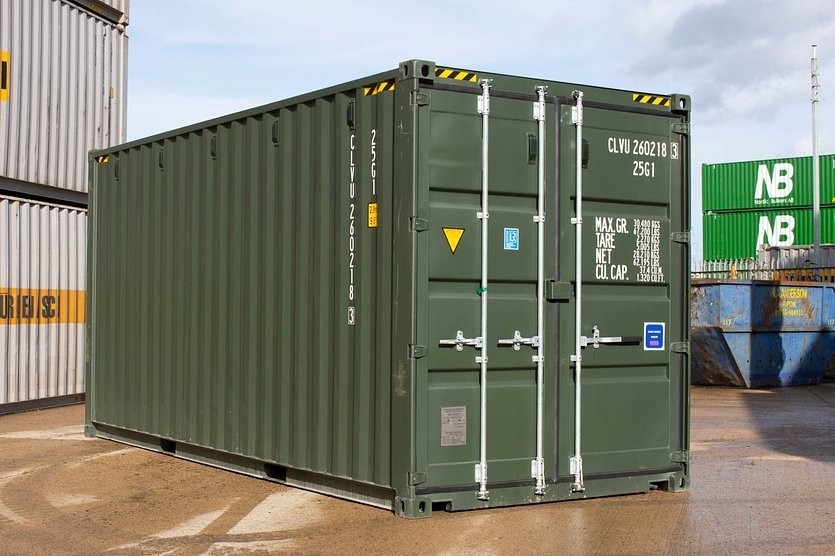
Containers for Sale: The Ultimate Guide to Buying and Using Shipping Containers
As the logistics and transport markets continue to evolve, shipping containers have actually emerged as a versatile option for various application needs. From storage solutions to mobile offices, making use of containers has broadened far beyond their original function. This short article checks out the various kinds of containers readily available for sale, their usages, essential factors to consider for buying, and a comprehensive FAQ area addressing common inquiries.
Types of Containers Available for Sale
When trying to find containers for sale, purchasers will come across several types, each with special features and energy. Here's a breakdown of the most common container types:
| Container Type | Description | Typical Uses |
|---|---|---|
| Requirement Container | The most common form, typically 20 or 40 feet in length. | Storage, delivery of goods, temporary housing. |
| High Cube Container | A taller variation of basic containers, offering more volume. | Keeping taller equipment or stock. |
| Open Top Container | Comes without a leading, enabling for the loading of large Cargo Containers by means of crane. | Transporting high machinery or bulk items. |
| Flat Rack Container | Flat structures without any walls, suitable for heavy and broad items. | Shipping automobiles, heavy machinery, and big cargo. |
| Reefer Container | Cooled container to keep perishables fresh. | Transporting food, pharmaceuticals, and other temperature-sensitive goods. |
| Insulated Container | Offers moderate temperature control, not as extreme as Refrigerated units. | Saving products requiring some temperature level regulation without electrical energy. |
| Modified Containers | Standard containers that have actually been adapted for specific usages, like pop-up shops. | Innovative retail screens, portable workplaces, and more. |
Typical Uses of Shipping Containers
Shipping containers have transcended their shipping origins, discovering usage in a myriad of applications:
Storage Solutions
- Suitable for both domestic and commercial storage requirements.
- Typically used for seasonal inventory, private documents, and devices storage.
Event Space
- Customized containers can serve as pop-up stores, cafes, and even art galleries.
- Events such as celebrations and trade convention increasingly use these flexible structures.
Residential and Commercial Construction
- Sourced as structure blocks for container homes and workplaces due to their toughness.
- Environment-friendly and economical structure solution.
Workshops and Studios
- Container conversions can produce functional work spaces for artists, mechanics, and artisans.
Emergency situation Shelters
- Used in catastrophe relief scenarios where rapid deployable real estate is needed.
Key Considerations When Buying a Container
Before buying, purchasers need to keep numerous factors in mind to ensure they pick the finest container for their requirements.
1. Condition of the Container
- New: Brand new, often more pricey however in beautiful condition.
- Used: Economical however needs mindful assessment for damage and tidiness.
2. Size Requirements
- Figure out the quantity of area required for your particular use case (e.g., 10-ft, 20-ft, or 40-ft).
3. Special Features
- Examine whether you need features like insulation, ventilation, or structural reinforcements.
4. Regional Regulations
- Research study zoning laws and building regulations in your location, particularly for converted containers.
5. Budget
- Set a budget plan that consists of purchase price, transportation, and modification costs if needed.
6. Delivery Logistics
- Consider how the container will be provided and whether you will need specific equipment for placement.
Often Asked Questions (FAQs)
1. How can I discover containers for sale?
- Containers can be purchased through specialized shipping container dealerships, regional listings, or online markets like eBay and Craigslist.
2. Are containers weathertight?
- Many containers are designed to be watertight and are made from weather-resistant products appropriate for outdoor use.
3. Do I need an authorization for container placement?
- Yes, depending upon local policies, an authorization may be needed for positioning a shipping container on your home.
4. How do I keep my Container Relocation?
- Regular examinations for rust, leakages, and structural stability, in addition to appropriate ventilation, are necessary to keeping a container.
5. Can I customize my shipping container?
- Absolutely! Numerous companies provide services to customize containers for specific usages, consisting of windows, doors, and electrical systems.
6. What is the life-span of a shipping container?
- With correct upkeep, a shipping container can last up to 25 years or more, making them a long lasting investment.
In conclusion, shipping containers serve a multitude of functions that extend well beyond basic transportation. Whether for storage, property functions, or ingenious service solutions, the demand and adaptability of containers continue to rise. By comprehending the different types, utilizes, and considerations associated with buying a container, potential buyers can make informed choices tailored to their specific requirements. With the best container, people and organizations alike can successfully turn challenges into opportunities, minimizing costs while maximizing functionality in an ever-evolving market.
댓글목록
등록된 댓글이 없습니다.