
10 Quick Tips About Railroad Injuries Compensation
페이지 정보
작성자 Callum 작성일24-08-30 11:57 조회27회 댓글0건관련링크
본문
Railroad Crossing Accident Attorney Injuries Litigation
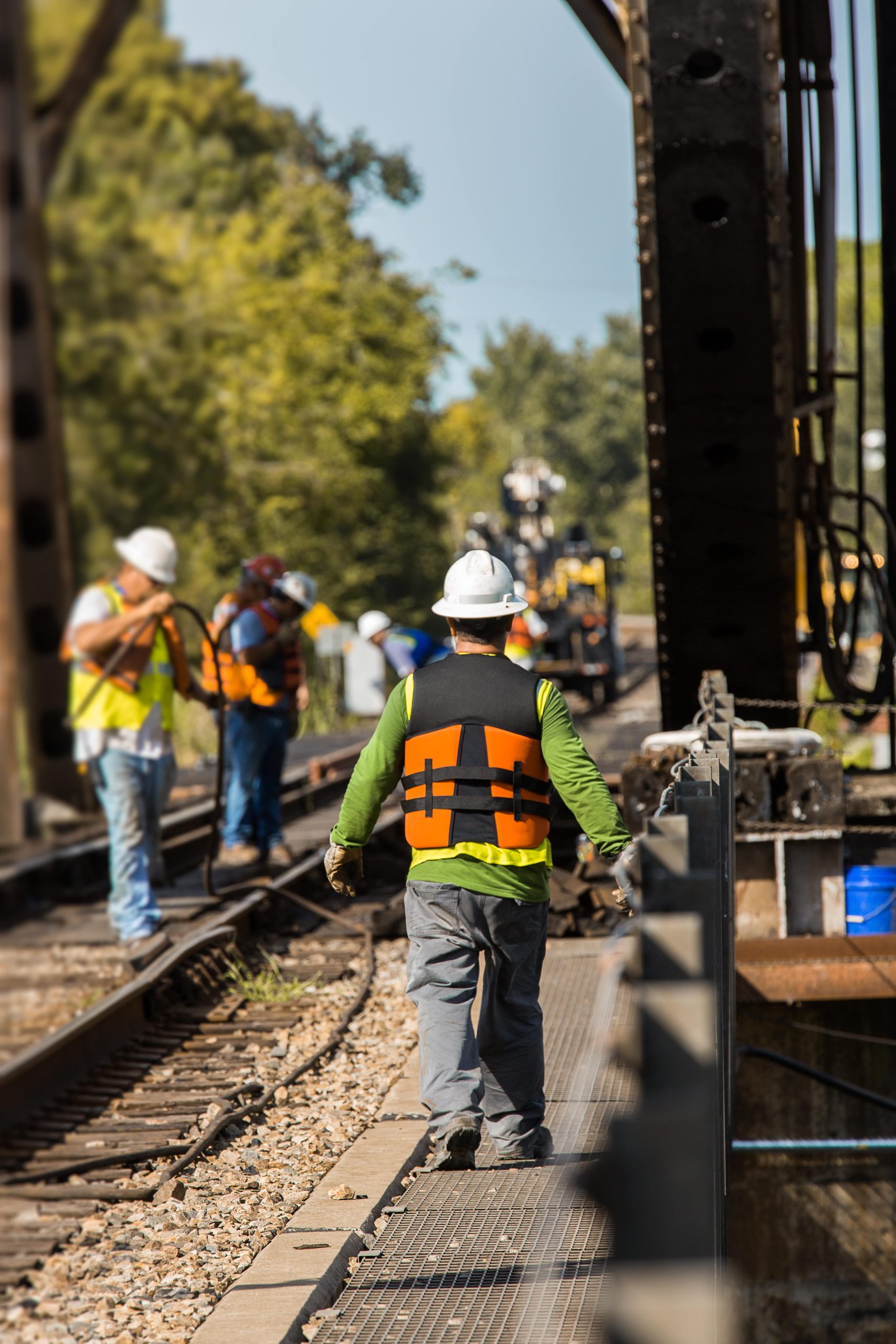 You may be entitled to compensation in the event that you or a loved one was injured in a train accident. The damages may include the future and past medical costs as well as lost earnings permanent disability, disfigurement and lost wages.
Federal law FELA (Federal Employers' Liability Act), protects railroad workers. It provides financial compensation for pain and suffering that is not covered by state workers' compensation laws.
Prompt Reporting
Having an injury claim go unreported could make a significant difference in the employee's ability to receive medical treatment. NCCI research indicates that the longer an employee's injury is not reported, the greater chance it is that it will remain unpaid.
The railroad has a duty to ensure that its employees are in a safe place of work and that all its tools and equipment is utilized in a safe manner. If it is found to be in violation of this duty and the employee is not satisfied, they can make a claim against the railroad for damages.
Most railroads have safety guidelines that require employees to report any accident-related injuries. It can be difficult for injured workers to report injuries. In these situations it is essential that the worker immediately notify the employer of the injury as soon as possible and that he or she seek legal advice from an attorney.
Railroads need to ensure that employees are protected at work and provide timely and effective medical treatment. The prompt treatment of medical issues can prevent injuries from becoming severe and more costly to treat.
In addition, under FELA, railroads are required to cover the cost of all medical treatment provided to employees who are injured while on the job. This includes transportation to and from doctor's offices, prescription medications and treatment for any physical or mental ailments.
These records as well as any other evidence that is gathered during an investigation or the treatment of a claim should be kept by the railroad. Failure to follow the rules of the railroad could result in serious disciplinary action, including discharge from the job.
Federal Railroad Safety Act is another important federal law that safeguards railroad workers. According to this law, it is unlawful for a railroad to take an adverse action against a railroad employee who engages in "protected activities," which include whistleblowing.
If you've been a whistleblower or are being subjected to retaliation for your actions, call Rossi Vucinovich PC right away. Our skilled attorneys can assist you to fight railroad retaliation.
Railroads must provide a reasonable amount of time to report any accident or other incident that involves an employee to the FRA (National Transportation Safety Board) (NTSB). While railroads are generally diligent regarding reporting accidents and incidents however, it is not uncommon for them not to report these incidents.
FELA
Railroad employees in the United States are protected by the Federal Employers' Liability Act. The law was designed to protect workers from deaths and injuries by shifting the economic burden from the individual employee to the railroads.
FELA stipulates legal obligations that all railroads have to comply with, including creating safe workplaces and properly training employees, inspecting for dangers and enforcing safety guidelines. Infractions to these regulations can result in railroad accident lawyer near me quote companies being held accountable for negligence.
While FELA is a great tool for protecting injured workers, it comes with its own set challenges. First, the worker must prove that the railroad was negligent and that their actions caused their injury. This is usually easier in an FELA case than in a traditional personal injury claim.
A railroad accident lawyer near me ontario worker must also prove that their employer has violated any safety rules or statutes of the state or federal. A railroad attorney near me that has violated one of these laws can easily establish that it caused the injury and therefore is accountable under the FELA.
Finally, a railroad accident lawyer chicago worker must prove that their injury is permanent. This is crucial because an injury that is permanent is generally more valuable than one that is not.
Many workplace accidents can also result in long-term injuries, like broken bones and joint sprains, lacerations, and even lacerations. Additionally repetitive motion injuries like carpal tunnel syndrome and tendinitis can cause a worsening or acceleration of existing medical conditions.
It is important to consult an experienced FELA attorney when you have an intricate, costly, and potentially costly claim against a railroad. A typical personal injury lawyer who is not specialized in this field will be overwhelmed by the expertise and resources that railroads have in place behind an action.
Comparative Negligence
One of the most crucial issues in the field of railroad injury litigation is to determine who was accountable for the accident. It can be difficult to apportion blame in some cases however, with the help of comparative negligence parties, they can come to an accurate result which will benefit both.
Comparative negligence allows for the parties involved in car accidents to share the blame in proportion to their part in the accident. This makes it easier for you to determine damages in the event of multi-car collisions and pile-up accidents.
Drivers who fail or fails to obey traffic laws like stop signs, can be held responsible under a law of comparative negligence. This can be especially helpful in the case of railroad injuries where the failure of the company to properly maintain or repair its equipment can be considered to be a contributing factor to the injuries sustained by the injured worker.
Three kinds of comparative negligence are found in the United States: modified, pure, and contributory. While all three are applicable in some way, the most prevalent is the modified method.
Under the modified system of comparative negligence that applies to injured parties, they can get compensation for their losses as the percentage of fault is not more than 50% or exceeds the fault of another defendant or group of defendants. In the majority of states the rule is only applicable to personal injuries and wrongful death claims.
This system is based on the concept of neglect and considers the four elements of negligence: breach of duty breach, breach, duty care, and causation. It is crucial for an experienced lawyer to prove these elements in order to ensure a favorable outcome for the plaintiff.
In contrast to contributory liability, which is only recognized in five states and the District of Columbia, pure negligence by comparison is the law of the majority of states. In this case it is possible for an injured party to get compensation even if found to be 100% at fault. This is known as pure comparative negligence in New York, but only thirteen other states have it.
Damages
If a railway worker is injured while on the job, they are entitled to compensation. The law governing workers' rights is referred to as the Federal Employers Liability Act (FELA).
In FELA cases, the employee must prove that the employer was negligent. If this is the case, the employee may be entitled to compensation for medical expenses, lost earnings and other damages.
In contrast to state workers' compensation systems, which use damage caps to limit the amount of compensation that an employee is entitled to, FELA allows an injured worker to be compensated for all non-economic and economic losses. This includes the cost of suffering as well as loss of enjoyment of life, emotional distress, and disability.
The damages railroad workers may claim depend on the nature of the injury or death. For instance in the event that a train operator dies in an accident on tracks, the family of the deceased may claim wrongful death and damages for loss of companionship and financial support.
If the train driver dies through the negligence of another person, the person responsible can be held accountable for the death. This could include the owner of the car and operator, pedestrians, or even the family members of the driver.
The employer could also be responsible for a railway worker who is injured while working on a train or track. The employer could also be responsible if the worker was under the influence of alcohol or drugs at the time of the accident, which could lead to the risk of injury being increased.
Federal laws that regulate railroad safety include the Boiler Inspection Act, and the Railroad Safety Act. These laws set safety standards for trains and rail cars.
For instance The Railroad Safety Act requires that railroads examine their trains to make sure that they're operating in a safe manner and conforming to their specifications. This is to ensure that the public's safety and well-being are not compromised when a train runs along the tracks.
You may be entitled to compensation in the event that you or a loved one was injured in a train accident. The damages may include the future and past medical costs as well as lost earnings permanent disability, disfigurement and lost wages.Federal law FELA (Federal Employers' Liability Act), protects railroad workers. It provides financial compensation for pain and suffering that is not covered by state workers' compensation laws.
Prompt Reporting
Having an injury claim go unreported could make a significant difference in the employee's ability to receive medical treatment. NCCI research indicates that the longer an employee's injury is not reported, the greater chance it is that it will remain unpaid.
The railroad has a duty to ensure that its employees are in a safe place of work and that all its tools and equipment is utilized in a safe manner. If it is found to be in violation of this duty and the employee is not satisfied, they can make a claim against the railroad for damages.
Most railroads have safety guidelines that require employees to report any accident-related injuries. It can be difficult for injured workers to report injuries. In these situations it is essential that the worker immediately notify the employer of the injury as soon as possible and that he or she seek legal advice from an attorney.
Railroads need to ensure that employees are protected at work and provide timely and effective medical treatment. The prompt treatment of medical issues can prevent injuries from becoming severe and more costly to treat.
In addition, under FELA, railroads are required to cover the cost of all medical treatment provided to employees who are injured while on the job. This includes transportation to and from doctor's offices, prescription medications and treatment for any physical or mental ailments.
These records as well as any other evidence that is gathered during an investigation or the treatment of a claim should be kept by the railroad. Failure to follow the rules of the railroad could result in serious disciplinary action, including discharge from the job.
Federal Railroad Safety Act is another important federal law that safeguards railroad workers. According to this law, it is unlawful for a railroad to take an adverse action against a railroad employee who engages in "protected activities," which include whistleblowing.
If you've been a whistleblower or are being subjected to retaliation for your actions, call Rossi Vucinovich PC right away. Our skilled attorneys can assist you to fight railroad retaliation.
Railroads must provide a reasonable amount of time to report any accident or other incident that involves an employee to the FRA (National Transportation Safety Board) (NTSB). While railroads are generally diligent regarding reporting accidents and incidents however, it is not uncommon for them not to report these incidents.
FELA
Railroad employees in the United States are protected by the Federal Employers' Liability Act. The law was designed to protect workers from deaths and injuries by shifting the economic burden from the individual employee to the railroads.
FELA stipulates legal obligations that all railroads have to comply with, including creating safe workplaces and properly training employees, inspecting for dangers and enforcing safety guidelines. Infractions to these regulations can result in railroad accident lawyer near me quote companies being held accountable for negligence.
While FELA is a great tool for protecting injured workers, it comes with its own set challenges. First, the worker must prove that the railroad was negligent and that their actions caused their injury. This is usually easier in an FELA case than in a traditional personal injury claim.
A railroad accident lawyer near me ontario worker must also prove that their employer has violated any safety rules or statutes of the state or federal. A railroad attorney near me that has violated one of these laws can easily establish that it caused the injury and therefore is accountable under the FELA.
Finally, a railroad accident lawyer chicago worker must prove that their injury is permanent. This is crucial because an injury that is permanent is generally more valuable than one that is not.
Many workplace accidents can also result in long-term injuries, like broken bones and joint sprains, lacerations, and even lacerations. Additionally repetitive motion injuries like carpal tunnel syndrome and tendinitis can cause a worsening or acceleration of existing medical conditions.
It is important to consult an experienced FELA attorney when you have an intricate, costly, and potentially costly claim against a railroad. A typical personal injury lawyer who is not specialized in this field will be overwhelmed by the expertise and resources that railroads have in place behind an action.
Comparative Negligence
One of the most crucial issues in the field of railroad injury litigation is to determine who was accountable for the accident. It can be difficult to apportion blame in some cases however, with the help of comparative negligence parties, they can come to an accurate result which will benefit both.
Comparative negligence allows for the parties involved in car accidents to share the blame in proportion to their part in the accident. This makes it easier for you to determine damages in the event of multi-car collisions and pile-up accidents.
Drivers who fail or fails to obey traffic laws like stop signs, can be held responsible under a law of comparative negligence. This can be especially helpful in the case of railroad injuries where the failure of the company to properly maintain or repair its equipment can be considered to be a contributing factor to the injuries sustained by the injured worker.
Three kinds of comparative negligence are found in the United States: modified, pure, and contributory. While all three are applicable in some way, the most prevalent is the modified method.
Under the modified system of comparative negligence that applies to injured parties, they can get compensation for their losses as the percentage of fault is not more than 50% or exceeds the fault of another defendant or group of defendants. In the majority of states the rule is only applicable to personal injuries and wrongful death claims.
This system is based on the concept of neglect and considers the four elements of negligence: breach of duty breach, breach, duty care, and causation. It is crucial for an experienced lawyer to prove these elements in order to ensure a favorable outcome for the plaintiff.
In contrast to contributory liability, which is only recognized in five states and the District of Columbia, pure negligence by comparison is the law of the majority of states. In this case it is possible for an injured party to get compensation even if found to be 100% at fault. This is known as pure comparative negligence in New York, but only thirteen other states have it.
Damages
If a railway worker is injured while on the job, they are entitled to compensation. The law governing workers' rights is referred to as the Federal Employers Liability Act (FELA).
In FELA cases, the employee must prove that the employer was negligent. If this is the case, the employee may be entitled to compensation for medical expenses, lost earnings and other damages.
In contrast to state workers' compensation systems, which use damage caps to limit the amount of compensation that an employee is entitled to, FELA allows an injured worker to be compensated for all non-economic and economic losses. This includes the cost of suffering as well as loss of enjoyment of life, emotional distress, and disability.
The damages railroad workers may claim depend on the nature of the injury or death. For instance in the event that a train operator dies in an accident on tracks, the family of the deceased may claim wrongful death and damages for loss of companionship and financial support.
If the train driver dies through the negligence of another person, the person responsible can be held accountable for the death. This could include the owner of the car and operator, pedestrians, or even the family members of the driver.
The employer could also be responsible for a railway worker who is injured while working on a train or track. The employer could also be responsible if the worker was under the influence of alcohol or drugs at the time of the accident, which could lead to the risk of injury being increased.
Federal laws that regulate railroad safety include the Boiler Inspection Act, and the Railroad Safety Act. These laws set safety standards for trains and rail cars.
For instance The Railroad Safety Act requires that railroads examine their trains to make sure that they're operating in a safe manner and conforming to their specifications. This is to ensure that the public's safety and well-being are not compromised when a train runs along the tracks.
댓글목록
등록된 댓글이 없습니다.