
Attention Deficit Hyperactivity Disorder Across the Duration of Life: …
페이지 정보
작성자 Candy 작성일25-10-08 05:26 조회5회 댓글0건관련링크
본문
Attention Deficit Hyperactivity Disorder, frequently known as ADHD, affects millions of people across different stages of life. While often diagnosed in early life, ADHD does not magically disappear as a individual matures over time. Understanding how ADHD appears from early years to adulthood is crucial for providing appropriate support and fostering personal growth. Those with ADHD often experience unique difficulties and advantages that evolve over time, making it critical to explore their path through various life periods.
While we explore the nuances of ADHD over the lifespan, we will also discuss the significance of coaching solutions, such as ADHD coaching and neurodivergent coaching, that enable individuals to thrive. Organizations like some organizations offer tailored strategies and support for those dealing with the issues of ADHD and autism. By taking advantage of these resources, people can form personalized approaches that not only tackle their challenges but also enhance their overall quality of life.
Understanding Attention Deficit Hyperactivity Disorder through Childhood
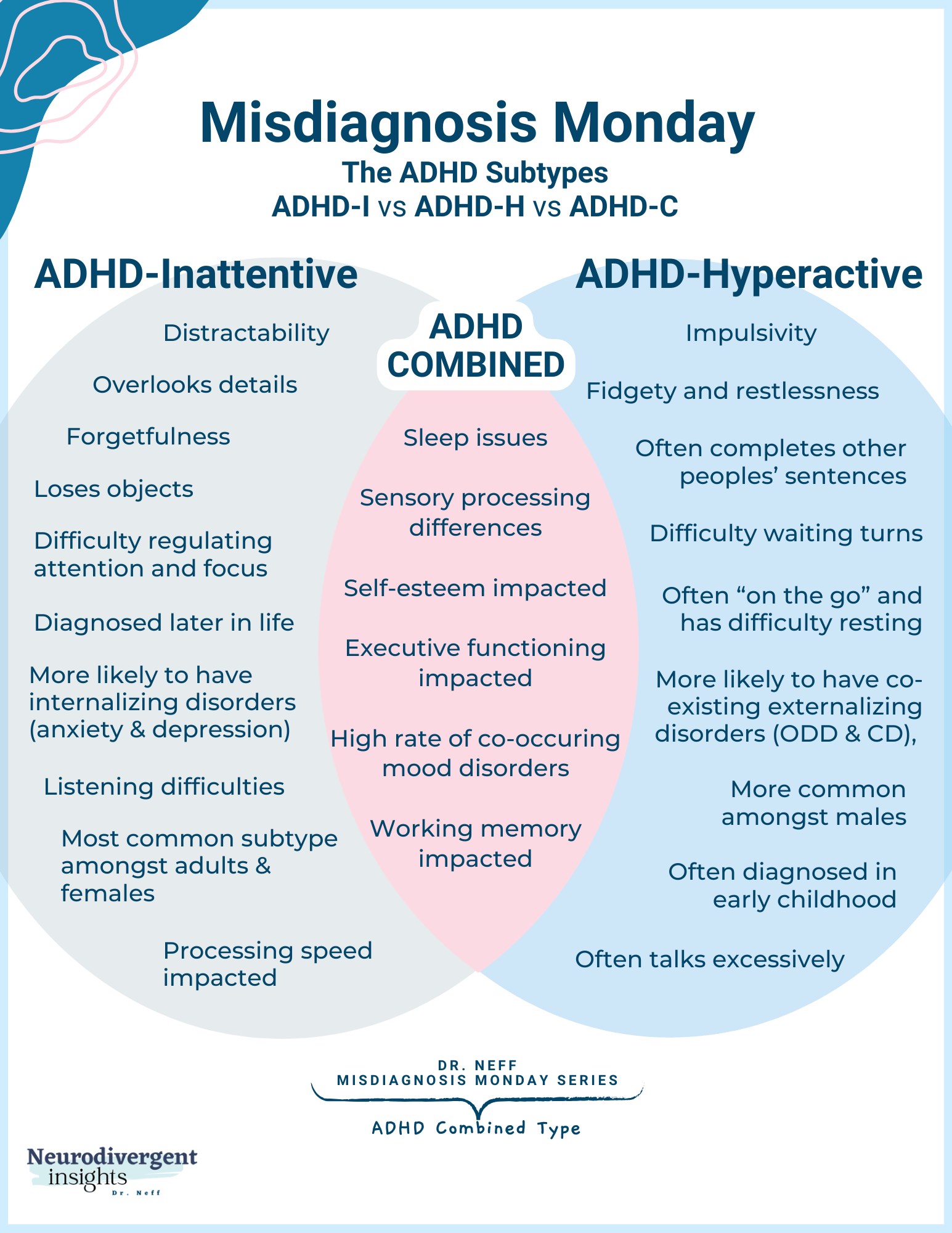
Attention Deficit Hyperactivity Disorder, often known as Attention Deficit Hyperactivity Disorder, stands as a neurodevelopmental disorder which typically appears in childhood. Kids with ADHD frequently exhibit symptoms including hyperactivity, impulsivity, and issues with focus and organization. These kinds of behaviors can sometimes be mistaken for standard childhood mischief, which makes early diagnosis a vital step for effective intervention. Recognizing and comprehending these symptoms can aid parents and educators assist children through navigating their daily activities and responsibilities with greater effectiveness.
The influence of ADHD in a child's life can be deep. It may affect their academic performance, social interactions, and self-esteem. Several children with ADHD struggle with maintaining attention in lessons, completing homework, and complying with instructions. Such challenges can lead to frustrations for both the child and their caregivers. Additionally, the difficulties encountered by these children can also influence their relationships among peers, at times resulting in feelings of isolation or rejection. Early intervention strategies, including ADHD coaching, can offer essential support to assist children handle their symptoms and enhance essential skills.
Support systems are vital for children with ADHD. In alongside treatment options including behavioral therapy and medication, ADHD coaching can have a significant role in enabling children develop coping strategies and organizational skills. Coaches educated in ADHD partner with children to encourage self-awareness and build resilience, empowering them to thrive in spite of the challenges they face. By promoting positive behaviors and offering focused guidance, ADHD coaching can enhance a child's ability to navigate their environment and establish successful habits that will support them throughout their lives.
Navigating Attention Deficit Hyperactivity Disorder in Teenage Years
The teenage years is a crucial time for individuals with ADHD, characterized by significant transformations in peer interactions, school-related challenges, and self-identity. During this time, many teens face heightened sensitivity to friendships and may face difficulties in managing their impulses and emotional regulation. Recognizing these issues is crucial for caregivers and educators, as they can help foster nurturing spaces that foster understanding and acceptance.
As research indicates, teenagers with ADHD are at an increased risk for comorbid disorders such as stress and mood disorders. This underscores the significance of timely support and effective communication. ADHD coaching can be especially helpful during these formative years, providing tailored strategies that enable teens to overcome their challenges while developing self-esteem and self-advocacy skills. Assistance from guardians, teachers, and friends can significantly contribute to their ability to succeed.
In parallel to coaching, participating in a group that embraces neurodiversity can boost strength and a feeling of inclusion among adolescents with ADHD. Programs specializing in diverse cognitive coaching, like those offered by Nurturing Minds, help young people discover their strengths and develop coping mechanisms. By creating an open and supportive atmosphere, teenagers can not only learn to manage their ADHD but also embrace their unique viewpoints as valuable assets in their personal development.
ADHD in Adult Life: Challenges and Positive Traits
Maturity brings a distinctive set of difficulties for those with ADHD. A lot of mature individuals may face challenges with time management, organization, and maintaining focus in demanding professional settings. These challenges can lead to issues in the workplace, affecting job performance and career progression. Additionally, personal relationships may deteriorate due to impulsivity or issues with communication. These common situations can result in increased anxiety and doubts about oneself, making it crucial for adults with Attention Deficit Hyperactivity Disorder to pursue specific assistance and strategies.
Despite these difficulties, people with ADHD often exhibit remarkable qualities. Many are extremely creative and can approach problems differently, bringing innovative ideas and answers to their professional and private lives. Additionally, their vibrancy and enthusiasm can be contagious, enabling them to connect with and motivate others. Recognizing neurodiversity, people with Attention Deficit Hyperactivity Disorder can utilize their unique perspectives to succeed in professions that value creativity and dynamic thinking.
Coaching can play a key role in supporting adults with ADHD harness their positive traits while confronting their challenges. ADHD coaching provides personalized strategies to improve organizational skills, focus, and impulse control. It enables individuals to set realistic objectives and cultivate effective habits. By combining skills and understanding, coaching can help people with ADHD flourish and turn their struggles into roads for individual and professional advancement.
The Role of Coaching for Diverse Individuals
Guidance can be a impactful tool for neurodivergent individuals, such as those with attention-deficit/hyperactivity disorder and autism. It provides personalized support that helps them overcome the unique challenges they face. Trainers trained in diverse methodologies understand the varied needs of their clients, offering strategies tailored to each person's strengths and weaknesses. This personalized approach fosters a sense of self-efficacy, allowing clients to build confidence and resilience in multiple aspects of their lives.
A crucial aspect of coaching is its focus on goal-setting and accountability. Neurodivergent individuals often benefit from organized frameworks that help them divide larger tasks into manageable steps. Through consistent check-ins, coaches can guide their clients in tracking progress and adjusting strategies as necessary. This ongoing support can lead to significant improvements in executive function, personal organization, and management of time, essential skills for thriving in both personal and professional environments.
Importantly, coaching for neurodivergent individuals emphasizes the growth of self-advocacy skills. Coaches encourage clients to understand their unique neurodivergent traits and how these can be strengths in different contexts. By fostering self-awareness and self-acceptance, coaching not only helps individuals thrive in their personal lives but also prepares them for effective interactions in educational and workplace settings. Organizations like Empowering Minds offer tools and coaching services that are specifically designed to meet the needs of diverse individuals, highlighting the importance of accessible support in enhancing mental health and success.
Materials for Thriving Minds
Finding the appropriate assistance is crucial for people dealing with ADHD and Autism during their lives. Thriving Minds provides a variety of resources tailored especially for divergent individuals, concentrating on personal development and emotional health. Via their platform, individuals can utilize valuable instruments, educational articles, and community links that foster awareness and progress.
ADHD coaching is one of the key features of Thriving Minds. This targeted mentoring approach supports individuals in formulating strategies to handle their unique challenges and leverage their strengths. Coaches partner jointly with clients, helping them cultivate resilience, build organizational skills, and boost time management, consequently facilitating a more satisfying and productive life.
In addition to ADHD coaching, Thriving Minds also provides Autism mentorship to help individuals on the spectrum. This mentorship focuses on communication skills, self-advocacy, and personal growth, motivating clients to celebrate their identity and succeed in multiple aspects of life. The combination of tools and coaching shows Thriving Minds' dedication to supporting neurodivergent individuals across the lifespan.
댓글목록
등록된 댓글이 없습니다.