
Judicial rulings in the United Kingdom play a foundational role in the…
페이지 정보
작성자 Art Place 작성일25-11-01 09:54 조회18회 댓글0건관련링크
본문
Before the Norman Conquest in 1066, disputes were often resolved in local courts, where the community had a significant role in judgment.
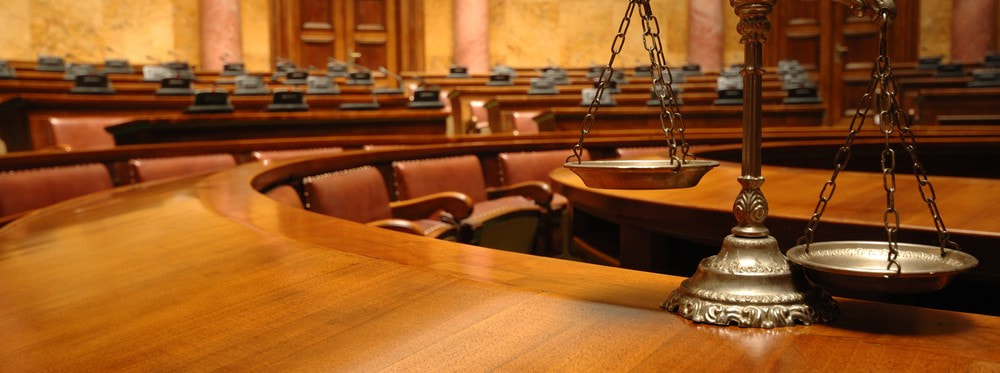
When a court is presented with a case for which there is no clear statutory provision or prior precedent, the judge may effectively create new article law by establishing a new legal principle.
The highest court in the UK sits at the apex of this hierarchy.
He introduced reforms that expanded the reach of the royal courts and reduced the influence of local lords and barons. King Henry II (reigned 1154-1189) is often credited with establishing the framework for a unified legal system in England. One of his most significant reforms was the establishment of circuit judges, who traveled the country to hear cases and ensure the uniform application of the law.
The system was largely informal, with the decision-making process rooted in custom and tradition rather than written law. Once a court has made a decision, it is responsible for ensuring that the ruling is enforced. In addition to delivering judgments, family courts also play a role in encouraging mediation and alternative dispute resolution, which can help parties reach amicable solutions without the need for a formal trial.
These courts are also responsible for making emergency orders in cases of domestic violence, ensuring the safety of victims. The High Court of Justice deals with major non-criminal cases and is divided into three divisions: the Queen’s (or King’s) Bench Division, the Chancery Division, and the Family Division.

The Court of Appeal is primarily staffed by senior judges who specialize in interpreting the law and hearing appeals from both civil and criminal cases. In the UK, judges do not simply interpret statutes—they also develop common law. Whether through the grand, imposing architecture of historic buildings or the modern, functional designs of contemporary courts, the physical space of the court is an essential part of the legal process.
These decisions help to clarify the application of criminal statutes and legal principles, such as mens rea (criminal intent) and the rules of evidence.
This helped to create a more centralized system of justice and a more uniform legal system throughout England. This has led to the incorporation of universal design principles in many new article court buildings.
The UK’s courts have long been seen as symbols of justice, fairness, and the rule of law. The need for accessibility is one of the primary concerns in modern court design, as courts must be open and usable for everyone, regardless of their physical ability or social background.
The administrative side of the Court of Appeal requires effective coordination of appeal cases, which often involve intricate legal arguments and detailed procedural requirements. Today, there is a growing focus on creating courts that are not only functional but also welcoming.
During the 12th century.
Under the Human Rights Act 1998, UK courts are required to interpret legislation, as far as possible, in a way that is compatible with the European Convention on Human Rights. Here's more about directory submission stop by the web page. Its decisions are conclusive and set legal precedent for all other courts. Court decisions in the UK are also vital in protecting human rights.
Family courts must consider the best interests of children and vulnerable parties, ensuring that decisions support their welfare. Before 2009, this role was held by the House of Lords, but constitutional reform created the modern Supreme Court to provide clearer separation between the judiciary and the legislature.
An important function of the court system is the enforcement of their rulings.
They are responsible for resolving disputes related to divorce, child custody, and adoption.
However, contemporary court design has shifted away from this monumental style. Law court building design in the UK is also influenced by the country’s legal traditions and cultural values. When legislation is found to be incompatible, courts can issue a "declaration of incompatibility," although Parliament remains sovereign and must choose whether to amend the law.
These decisions are then cited in future cases and become part of the legal fabric.
In criminal law, significant judgments are frequently issued by the Crown Court and the Court of Appeal (Criminal Division).
The Court of Appeal hears appeals from lower courts, ensuring consistency and fairness in legal judgments. Courts may work with enforcement agencies, such as bailiffs or police, to ensure that judgments are carried out effectively.
These courts were usually presided over by a local lord, who would gather people in the community to discuss and resolve conflicts.
댓글목록
등록된 댓글이 없습니다.