
What's The Job Market For Shipping Container Marketplace Professionals…
페이지 정보
작성자 Rae 작성일26-03-15 18:07 조회2회 댓글0건관련링크
본문
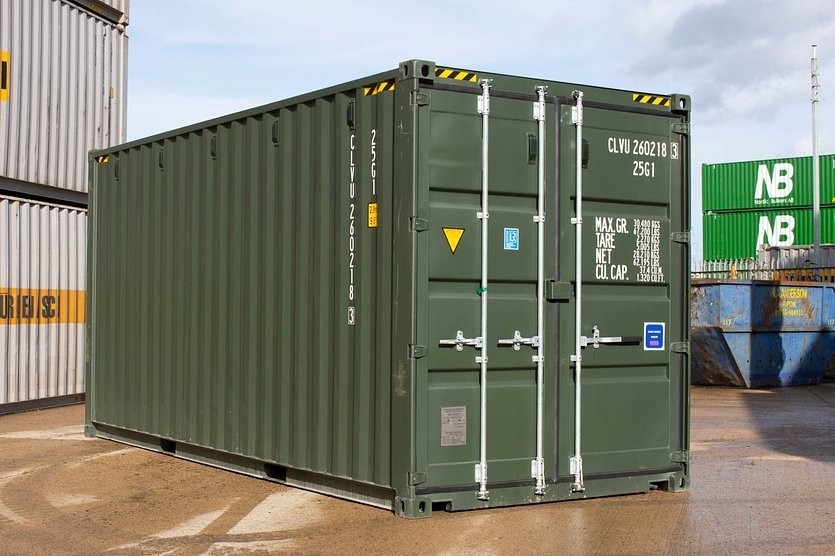
Exploring the Shipping Container Marketplace: Trends, Opportunities, and Future Insights
The shipping container marketplace has actually seen considerable growth over the last few years, driven by rising demand throughout various markets, innovative uses for containers, and the growing global trade sector. With evolving economic landscapes and an increasing concentrate on sustainability, comprehending the characteristics of this marketplace is important for possible purchasers, investors, and stakeholders. This post explores the numerous sectors of the shipping container marketplace, its existing patterns, chances, and common FAQs.
What is a Shipping Container Marketplace?
A shipping container marketplace is a platform-- either physical or online-- where purchasers and sellers can take part in the trade of shipping containers. These containers are widely used for carrying items throughout global trade routes, and their energy has actually reached other sectors such as construction, housing, and retail.
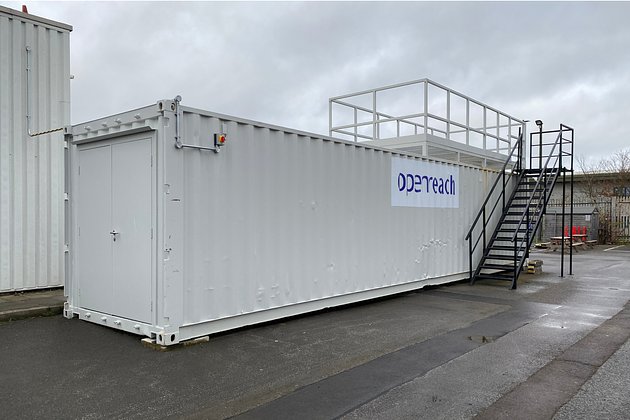
Overview of the Shipping Container Market
The shipping container market is identified by numerous elements, including container types, prices, and applications. Below is a table that lays out important data and features of the international Custom Shipping Containers container market:
| Category | Details |
|---|---|
| Current Market Size | Approximately ₤ 9.13 billion (2022 ) |
| Projected Growth Rate | CAGR of 7.12% from 2023 to 2030 |
| Significant Container Types | Standard, Refrigerated, Open-top, Flat-rack |
| Primary End Users | Logistics, Retail, Construction, Agriculture |
| Leading Regions | Asia-Pacific, North America, Europe |
Kinds Of Shipping Containers
Shipping containers can be found in numerous types, each designed for specific functions. Comprehending these can assist purchasers pick the right container for their requirements.
Common Types of Shipping Containers:
Standard Containers: These are the most often used containers, normally measured at 20 and 40 feet in length. Suitable for basic shipping requirements.
Refrigerated Containers (Reefers): Designed to bring temperature-sensitive products, such as perishable food products.
Open-Top Containers: Ideal for carrying oversized cargo that can not fit through standard container doors.
Flat-Rack Containers: Used for heavy equipment and products that do not require full enclosure.
High Cube Containers: Taller than standard containers, supplying extra vertical area for cargo.
Tanks: Specifically designed to transport liquid goods safely.
Existing Marketplace Trends
The shipping container marketplace is continuously developing, affected by numerous factors such as technological developments, supply chain modifications, and environmental considerations. Below are some present patterns shaping the marketplace:
Increased Demand for Modular Construction: Shipping containers are acquiring popularity in the construction market due to their cost-effectiveness and sustainability. They are repurposed into homes, workplaces, and pop-up stores.
Sustainability Focus: With international efforts towards reducing carbon footprints, many business are adopting recycled shipping containers for numerous business functions.
E-commerce Growth: The surge in e-commerce activities has actually straight influenced the shipping container need, as more products are carried worldwide to satisfy consumer requirements.
Technological Integration: Innovations such as IoT devices in shipping containers are boosting tracking, security, and efficiency in logistics.
Opportunities in the Shipping Container Marketplace
The shipping container marketplace provides numerous opportunities for entrepreneurs, organizations, and financiers aiming to go into or broaden within the market. Here are some possible areas of development and development:
Innovative Container Designs: Creating specialized containers for specific niche markets can use a competitive advantage.
Storage Solutions: Offering portable storage choices utilizing shipping containers, especially in metropolitan areas where space is limited.
Occasion Spaces: Repurposing containers into distinct places for events, festivals, and exhibits.
Diverse Recycling Practices: Establishing a business focused on reconditioning and reselling used containers.
Technology-Driven Services: Developing applications or platforms that leverage information and analytics to enhance container use and routing.
Obstacles Facing the Shipping Container Marketplace
While the shipping container marketplace brings considerable opportunities, it is not without challenges. Some of the key concerns consist of:
Supply Chain Disruptions: Global crises such as pandemics can result in considerable hold-ups in container delivery and schedule.
Regulatory Hurdles: Complying with worldwide shipping regulations and requirements can be complex and costly.
Market Competition: The market has seen an increase of gamers, making it an extremely competitive environment.
Frequently Asked Questions (FAQ)
1. What is the average price of a shipping container?
The typical cost of a used basic 40ft Shipping Container container typically ranges in between ₤ 2,000 and ₤ 5,000, depending on the condition and type. New containers can cost significantly more.
2. For how long do shipping containers last?
With proper upkeep, shipping containers can last 25 years or more. However, their life expectancy can vary based upon usage and environmental conditions.
3. Are shipping containers easy to buy?
Yes, buying shipping containers can be simple. Purchasers can link with regional merchants, online marketplaces, or specialized companies handling container sales.
4. Can shipping containers be transferred easily?
Custom Shipping Containers containers are created for transport through land, sea, and rail. They can easily be moved utilizing trucks equipped with the required lifting devices.
5. What are the ecological advantages of using shipping containers?
Utilizing recycled shipping containers can considerably minimize waste, as they repurpose materials rather than utilizing new resources. They also promote sustainable practices in construction and other industries.
The shipping container marketplace is a dynamic and broadening sector, offering many potential customers for those ready to explore its potential. Offered the distinct advantages containers supply and the various patterns affecting their usage, stakeholders must remain informed about the marketplace dynamics. Whether you're an investor, a company owner, or a private wanting to utilize containers, comprehending this marketplace can help with strategic choices and foster development in many applications. As the world becomes increasingly interconnected, the importance of shipping containers will just continue to increase, making this marketplace a centerpiece for future developments.
댓글목록
등록된 댓글이 없습니다.