
The 10 Most Terrifying Things About Shipping Container Cabin
페이지 정보
작성자 Roscoe 작성일26-04-01 07:30 조회3회 댓글0건관련링크
본문
Shipping Container Cabins: The Future of Affordable Housing
Introduction
Recently, shipping container cabins have gotten appeal as a sustainable and cost-efficient housing solution. These ingenious structures, crafted from repurposed Shipping Container Manufacturers containers, provide myriad advantages, including affordability, sturdiness, and design versatility. As the global housing crisis deepens, the shipping container cabin provides a chance to rethink our method to home-building. This post will explore the numerous elements of shipping container cabins, including their advantages, design possibilities, construction procedures, and regularly asked concerns.
Advantages of Shipping Container Cabins
Shipping container cabins feature a number of unique advantages that make them attracting house owners, designers, and environmentalists alike:
| Advantage | Description |
|---|---|
| Cost | Compared to conventional homes, shipping container cabins can be considerably cheaper, both in regards to material expenses and labor. |
| Sustainability | Using repurposed containers decreases waste and promotes environmentally friendly living. Many contractors also incorporate solar panels and rainwater harvesting systems into their designs. |
| Toughness | Shipping containers are developed to endure severe weather condition conditions at sea, making them exceptionally resistant. |
| Quick Construction | The modular nature of container homes allows for faster assembly and minimal site disruption, often cutting construction time considerably. |
| Design Flexibility | With innovative planning, shipping containers can be combined, stacked, or modified to develop special and functional living spaces. |
Design Possibilities
Among the most exciting aspects of shipping container cabins is the plethora of design options readily available. Here are some popular configurations and styles:
1. Single-Container Cabins
The most basic kind of shipping container living, a single container cabin can function as a relaxing home or a guest home.
2. Multi-Container Layouts
By combining two or more containers, builders can create spacious designs that can accommodate bigger households or groups.
3. Stacked Cabins
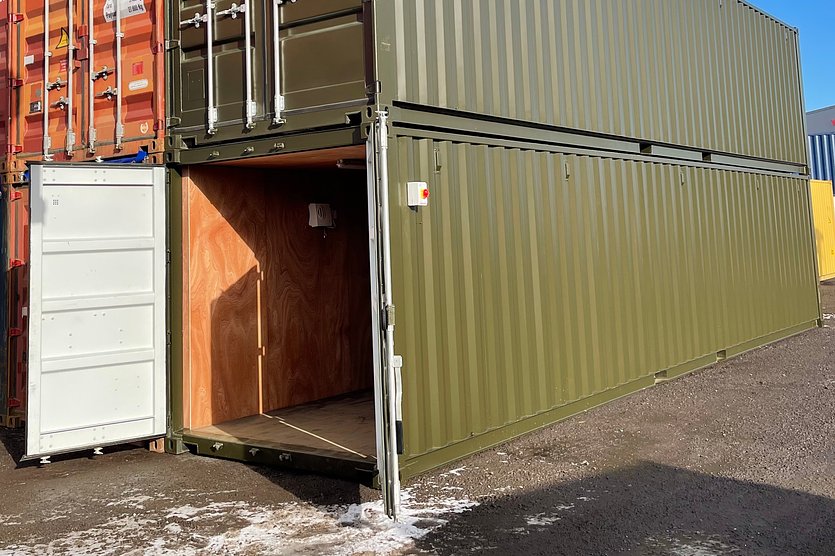
Stacking containers offers a visual appeal and can take full advantage of vertical space, developing an unique architectural design while increasing usable location.
4. Container Tiny Homes
For minimalists, container small homes are a best service, using all the fundamentals while decreasing waste and ecological impact.
5. Eco-Friendly Designs
Including green technologies like solar panels and sustainable products into shipping container cabins boosts energy effectiveness and ecological stewardship.
Construction Process
Constructing a shipping container cabin generally includes a number of vital steps:
- Planning and Design: This stage consists of protecting required licenses and creating a plan of the cabin's layout.
- Site Preparation: The structure site must be leveled and prepared to support the weight of the container.
- Container Acquisition: Finding quality Buy Used Shipping Containers containers from Shipping Container Sizes business or regional suppliers is crucial.
- Modifications: This might involve cutting windows, doors, and insulation, along with setting up plumbing and electrical systems.
- Assembly: Once modifications are made, containers are delivered to the website and assembled according to the design plan.
- Ending up Touches: Exterior and interior surfaces, landscaping, and utility connections complete the project.
Cost Breakdown
Comprehending the cost of building a Shipping Container Cabin (1.95.192.200) is important for prospective homeowners. Below is a basic introduction of expenses included:
| Cost Category | Approximated Cost (GBP) |
|---|---|
| Container Purchase | ₤ 2,000 - ₤ 5,000 (depending on condition) |
| Site Preparation | ₤ 1,000 - ₤ 3,000 |
| Design and Planning | ₤ 500 - ₤ 2,000 |
| Modifications | ₤ 3,000 - ₤ 10,000 |
| Labor Costs | ₤ 5,000 - ₤ 15,000 (differs by area) |
| Utilities and Finishes | ₤ 2,000 - ₤ 10,000 |
| Overall Estimated Cost | ₤ 13,500 - ₤ 45,000 |
Keep in mind:
Prices can vary substantially based upon area, design choices, and additional features.
Often Asked Questions (FAQ)
1. Are shipping container cabins safe?
Yes, shipping container cabins are safe when constructed correctly. Containers are made of resilient steel and designed to hold up against severe environments. Appropriate modifications and building regulations need to always be followed to guarantee security.
2. The length of time do shipping container cabins last?
With appropriate maintenance, shipping container cabins can last for a number of years. Their structural integrity makes them resistant to lots of forms of damage, consisting of insects, rot, and weather condition.
3. Can shipping containers be insulated?
Yes, Shipping Container Cost containers can be insulated. Typical methods consist of spray foam insulation, polyisocyanurate boards, and blanket insulation. Appropriate insulation is necessary for environment control and energy efficiency.
4. Are shipping container homes legal?
Laws for Shipping Container Rental container homes differ by city and state. It is essential to check regional zoning laws and building regulations before carrying out a shipping container cabin job.
5. What utilities can be linked to a shipping container cabin?
Shipping container cabins can accommodate basic energies such as water, electricity, and sewer system. Preparation these connections in advance is crucial to ensure a practical living area.
Shipping container cabins offer an ingenious solution that addresses many pressing concerns dealing with the housing market today. By combining price, sustainability, and design flexibility, they supply a viable option to traditional housing. As our society develops, embracing alternative housing solutions like shipping container cabins may pave the method for a more sustainable and equitable future.
Exploring this distinct kind of housing might motivate a new generation of home contractors and buyers, producing not just homes however communities that reflect a commitment to sustainability and development.
댓글목록
등록된 댓글이 없습니다.