
The 10 Most Scariest Things About Lpg Gas Engineer
페이지 정보
작성자 Noble 작성일24-11-23 16:16 조회9회 댓글0건관련링크
본문
What Does a LPG Gas Engineer Do?
LPG is a fossil-fuel that can be produced by refining petroleum or extracted directly from the ground. It is a low-boiling gas therefore it must be stored in containers with pressure.
 It is used to heat homes and cooking. It also provides an alternative to electric, coal and kerosene heating systems for those who do not have piped gas.
Customer Service
LPG is a type of fuel that can be used to heat homes and cook. It is created by refining crude oil or natural gas and stored in pressure vessels. It is a mix of propane and butane, and is also referred to as autogas or liquefied petroleum gas engineer certificate (LP-Gas). LPG isn't a threat to dangers to water or ground and it emits less carbon per unit than coal or gasoline. It is a preferred alternative to natural gases and is able to be delivered directly to homes.
A trustworthy private LPG dealer can build trust with their customers by being transparent about its pricing structure and avoiding hidden costs or charges. It can also ensure a consistent supply of the fuel by implementing a reliable inventory management system and keeping customers updated about their delivery schedules.
To ensure the highest standards of customer service, the dealership needs to invest in educating its employees on proper conduct and communication skills as well as how to handle challenging situations. The dealership should also provide an emergency number that customers can contact in the event of any questions or issues. Affirming the consumer's initials and offering an individual interaction will create a strong connection with them.
The dealership can also enhance its services by conducting periodic surveys or questionnaires to better understand the experience of the customer. The dealership can then use the results of these surveys to make adjustments and improve its customer-centric approach. It could also offer a complaints resolution process for its customers and treat every issue as a learning opportunity.
If you are thinking of switching to LPG boilers, ensure that you choose a licensed heating engineer who is Gas Safe and OFTEC registered. This will protect you against any future problems and give you peace-of-mind knowing that your boilers are in good hands. If you're unsure of which company you should choose, take a look at TrustATrader reviews to find out what other customers have to say. This will give you a better idea of the standard of work you can expect from the company.
Technical Knowledge
Gas engineers require an understanding of a range of engineering concepts and their applications. They also need to be capable of applying these concepts to specific situations. For example, they need to know how to use various tools and machinery. They must also be conversant with the characteristics and properties, as well as safe handling and storage of various types of gas. Additionally, they must be aware of the most recent industry regulations and standards.
A strong understanding of mechanical systems is essential for gas engineers to possess as it allows them to solve problems quickly and efficiently. They must also know how components function and how to fix or replace them if they are needed. Gas engineers should also possess excellent customer service skills in order to interact with customers and address their concerns.
A career as a gas engineer offers stability, high wages and the satisfaction that comes from working on technical challenges. In fact, the demand for qualified professionals is on the rise due to the age of the infrastructure and increasing energy demands. A gas engineer can also work independently or as part of a business. This enables them to make their own schedule and work with a variety of clients.
To become a gas engineer, you need to complete training that is endorsed by the Accredited Certification Scheme (ACS). The ACS offers an initial assessment as well as an annual reassessment of engineers to make sure they meet industry standards. This is a vital step to become an engineer in gas, since it confirms that you have the necessary knowledge and skills to do your job in a safe manner.
The new course for new entrants offers an alternative route to the career of gas engineer, and an expedited qualification timeline. The courses can be completed in as little as 26 weeks and combine classroom learning with hands-on experiences. This type of program is a popular choice for those who are interested in starting a skilled career.
The curriculum for a new entrant includes a detailed introduction to various topics related to the gas engineering. You will be taught about LPG and domestic natural gas, meter installation and emergency repairs. You will also gain deeper understanding of the principles and practices of corgi gas safe engineers engineering, including engineering mathematics and engineering drawing.
Communication Skills
A lpg gas engineer (just click the following webpage) must possess outstanding customer service skills in order to deal with the public. They must be able to offer solutions and advice and comprehend the issues and challenges people are faced with. This may include educating customers on the proper usage of appliances, helping customers choose the most energy efficient appliances or recommending new models. Gas engineers must be able to keep pace with technological advances in the industry and recommend any improvements that could improve efficiency or safety.
LPG is a fossil gas engineer boiler that is produced from petroleum or wet gas. It can be a by-product of refinement of oil or be extracted directly from natural gas streams. It is a safer fuel than wood, coal or other fossils. It is not a danger to groundwater or water pollution and burns cleanly with very little sulfur emissions. Additionally it is significantly less carbon-intensive than gasoline or diesel fuel.
The lpg gas engineer must be knowledgeable of the gas mechanics systems and how they function. They should be able to identify any issues in these systems and know how to solve them quickly and efficiently. They are also aware that malfunctioning gas systems could create dangers, and they must make sure to reduce risks. This is especially crucial in the event there is a gas emergency such as a fire or leak.
Gas engineers can earn between PS37.500 and PS60,000 a year, based on their level of experience. The salary levels differ across the country. London and the South-East are usually higher. In addition to their salary, many gas engineers are able to benefit from additional bonuses and incentives which include being rewarded for achieving sales targets.
The most commonly used route to becoming a gas engineer is through an adult apprenticeship, which can be completed by one of the many training companies in the UK. These courses will provide the necessary skills to successfully pass the ACS test and join the Gas Safe Register. If these tests are successfully completed, will enable you to work on LPG installations. These certifications include domestic core gas safety (CCN1) and a LPG fuel changeover assessment (CoNGLP1).
Problem Solving
Gas engineers need to be able to solve a wide range of problems. They must be able to think critically and communicate effectively, as well as have analytical abilities. This is because they are accountable for the safety of natural gas systems and must ensure that they are in compliance with strict standards of environmental and performance. They must also be able to identify and resolve problems quickly.
A keen eye for detail is a crucial component of the job. Engineers must be able to detect even the smallest of differences between appliances to be able to replace any part that is needed. They should also be capable of cutting, bending and fix pipes to transfer gas between appliances. They might have to attend to safety issues, such as leaks. They must also be able to evaluate the condition of a system before making repairs.
Time management skills are also crucial for the job since the engineer will need to maintain appointments with customers. This requires a high level of organisation, especially as the engineer may not know what time a repair will take and has to plan according to the timeframe. Additionally, the capacity to work alone is essential because the job typically requires working in cramped environments.
Last but not least the engineer will be required to perform many calculations both during training and in their daily work. The engineer will be required to perform many calculations both in their training and during their work routine. This involves taking measurements and making deductions based upon those measurements. It's also useful to have a basic IT skills for things like data logging or making notes on the website.
If you have the right set of skills and knowledge, then a career as an lpg gas engineer can be an excellent choice. The pay is competitive, and qualifications are fairly easy to obtain. However, it's important to be aware of the possible risks involved in this field and make an informed choice about whether or not this is the best path for you. Luckily, there are numerous fast-track programs available that can help you get started in this lucrative and rewarding field. These programs will equip you with the credentials and skills you need to begin a career in Gas Engineering.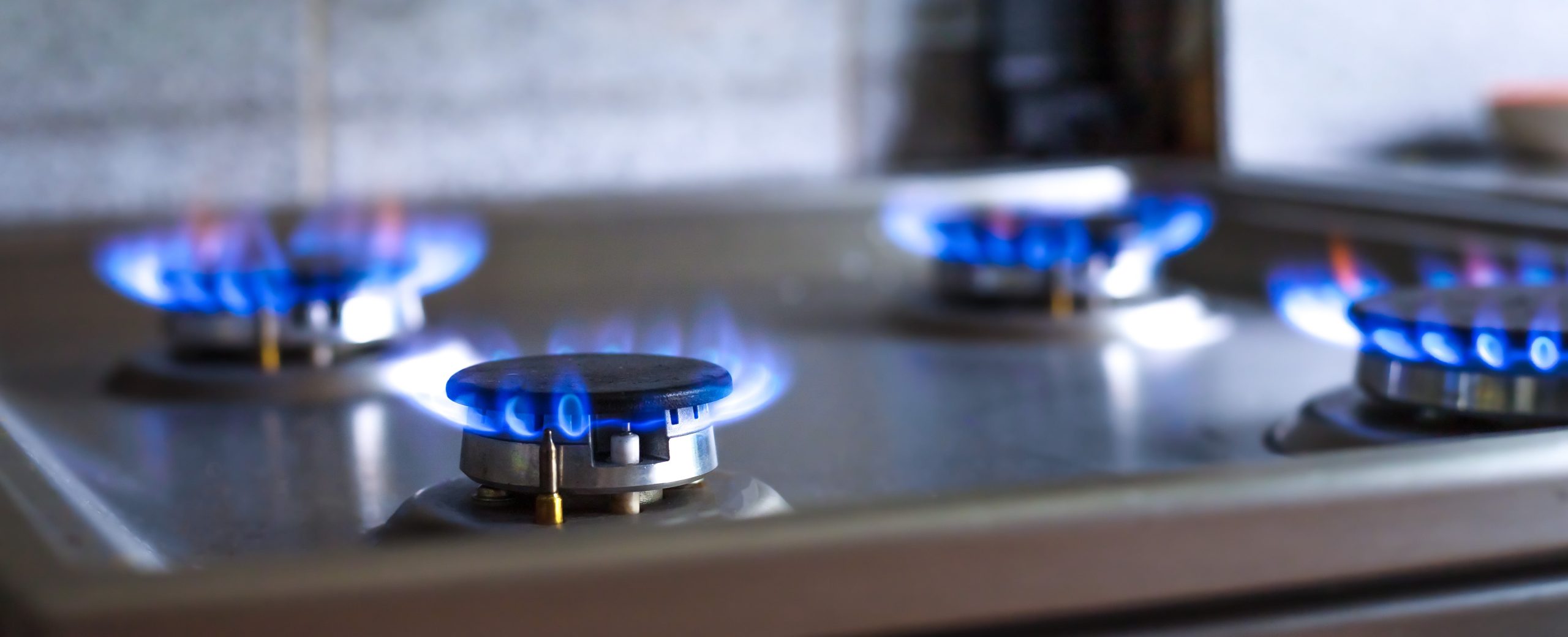
LPG is a fossil-fuel that can be produced by refining petroleum or extracted directly from the ground. It is a low-boiling gas therefore it must be stored in containers with pressure.
It is used to heat homes and cooking. It also provides an alternative to electric, coal and kerosene heating systems for those who do not have piped gas.Customer Service
LPG is a type of fuel that can be used to heat homes and cook. It is created by refining crude oil or natural gas and stored in pressure vessels. It is a mix of propane and butane, and is also referred to as autogas or liquefied petroleum gas engineer certificate (LP-Gas). LPG isn't a threat to dangers to water or ground and it emits less carbon per unit than coal or gasoline. It is a preferred alternative to natural gases and is able to be delivered directly to homes.
A trustworthy private LPG dealer can build trust with their customers by being transparent about its pricing structure and avoiding hidden costs or charges. It can also ensure a consistent supply of the fuel by implementing a reliable inventory management system and keeping customers updated about their delivery schedules.
To ensure the highest standards of customer service, the dealership needs to invest in educating its employees on proper conduct and communication skills as well as how to handle challenging situations. The dealership should also provide an emergency number that customers can contact in the event of any questions or issues. Affirming the consumer's initials and offering an individual interaction will create a strong connection with them.
The dealership can also enhance its services by conducting periodic surveys or questionnaires to better understand the experience of the customer. The dealership can then use the results of these surveys to make adjustments and improve its customer-centric approach. It could also offer a complaints resolution process for its customers and treat every issue as a learning opportunity.
If you are thinking of switching to LPG boilers, ensure that you choose a licensed heating engineer who is Gas Safe and OFTEC registered. This will protect you against any future problems and give you peace-of-mind knowing that your boilers are in good hands. If you're unsure of which company you should choose, take a look at TrustATrader reviews to find out what other customers have to say. This will give you a better idea of the standard of work you can expect from the company.
Technical Knowledge
Gas engineers require an understanding of a range of engineering concepts and their applications. They also need to be capable of applying these concepts to specific situations. For example, they need to know how to use various tools and machinery. They must also be conversant with the characteristics and properties, as well as safe handling and storage of various types of gas. Additionally, they must be aware of the most recent industry regulations and standards.
A strong understanding of mechanical systems is essential for gas engineers to possess as it allows them to solve problems quickly and efficiently. They must also know how components function and how to fix or replace them if they are needed. Gas engineers should also possess excellent customer service skills in order to interact with customers and address their concerns.
A career as a gas engineer offers stability, high wages and the satisfaction that comes from working on technical challenges. In fact, the demand for qualified professionals is on the rise due to the age of the infrastructure and increasing energy demands. A gas engineer can also work independently or as part of a business. This enables them to make their own schedule and work with a variety of clients.
To become a gas engineer, you need to complete training that is endorsed by the Accredited Certification Scheme (ACS). The ACS offers an initial assessment as well as an annual reassessment of engineers to make sure they meet industry standards. This is a vital step to become an engineer in gas, since it confirms that you have the necessary knowledge and skills to do your job in a safe manner.
The new course for new entrants offers an alternative route to the career of gas engineer, and an expedited qualification timeline. The courses can be completed in as little as 26 weeks and combine classroom learning with hands-on experiences. This type of program is a popular choice for those who are interested in starting a skilled career.
The curriculum for a new entrant includes a detailed introduction to various topics related to the gas engineering. You will be taught about LPG and domestic natural gas, meter installation and emergency repairs. You will also gain deeper understanding of the principles and practices of corgi gas safe engineers engineering, including engineering mathematics and engineering drawing.
Communication Skills
A lpg gas engineer (just click the following webpage) must possess outstanding customer service skills in order to deal with the public. They must be able to offer solutions and advice and comprehend the issues and challenges people are faced with. This may include educating customers on the proper usage of appliances, helping customers choose the most energy efficient appliances or recommending new models. Gas engineers must be able to keep pace with technological advances in the industry and recommend any improvements that could improve efficiency or safety.
LPG is a fossil gas engineer boiler that is produced from petroleum or wet gas. It can be a by-product of refinement of oil or be extracted directly from natural gas streams. It is a safer fuel than wood, coal or other fossils. It is not a danger to groundwater or water pollution and burns cleanly with very little sulfur emissions. Additionally it is significantly less carbon-intensive than gasoline or diesel fuel.
The lpg gas engineer must be knowledgeable of the gas mechanics systems and how they function. They should be able to identify any issues in these systems and know how to solve them quickly and efficiently. They are also aware that malfunctioning gas systems could create dangers, and they must make sure to reduce risks. This is especially crucial in the event there is a gas emergency such as a fire or leak.
Gas engineers can earn between PS37.500 and PS60,000 a year, based on their level of experience. The salary levels differ across the country. London and the South-East are usually higher. In addition to their salary, many gas engineers are able to benefit from additional bonuses and incentives which include being rewarded for achieving sales targets.
The most commonly used route to becoming a gas engineer is through an adult apprenticeship, which can be completed by one of the many training companies in the UK. These courses will provide the necessary skills to successfully pass the ACS test and join the Gas Safe Register. If these tests are successfully completed, will enable you to work on LPG installations. These certifications include domestic core gas safety (CCN1) and a LPG fuel changeover assessment (CoNGLP1).
Problem Solving
Gas engineers need to be able to solve a wide range of problems. They must be able to think critically and communicate effectively, as well as have analytical abilities. This is because they are accountable for the safety of natural gas systems and must ensure that they are in compliance with strict standards of environmental and performance. They must also be able to identify and resolve problems quickly.
A keen eye for detail is a crucial component of the job. Engineers must be able to detect even the smallest of differences between appliances to be able to replace any part that is needed. They should also be capable of cutting, bending and fix pipes to transfer gas between appliances. They might have to attend to safety issues, such as leaks. They must also be able to evaluate the condition of a system before making repairs.
Time management skills are also crucial for the job since the engineer will need to maintain appointments with customers. This requires a high level of organisation, especially as the engineer may not know what time a repair will take and has to plan according to the timeframe. Additionally, the capacity to work alone is essential because the job typically requires working in cramped environments.
Last but not least the engineer will be required to perform many calculations both during training and in their daily work. The engineer will be required to perform many calculations both in their training and during their work routine. This involves taking measurements and making deductions based upon those measurements. It's also useful to have a basic IT skills for things like data logging or making notes on the website.
If you have the right set of skills and knowledge, then a career as an lpg gas engineer can be an excellent choice. The pay is competitive, and qualifications are fairly easy to obtain. However, it's important to be aware of the possible risks involved in this field and make an informed choice about whether or not this is the best path for you. Luckily, there are numerous fast-track programs available that can help you get started in this lucrative and rewarding field. These programs will equip you with the credentials and skills you need to begin a career in Gas Engineering.
댓글목록
등록된 댓글이 없습니다.