
10 Best Rated Robot Vacuum Tips All Experts Recommend
페이지 정보
작성자 Merlin 작성일24-12-21 16:49 조회17회 댓글0건관련링크
본문
Best highest rated robot vacuum Robot Vacuum Cleaner
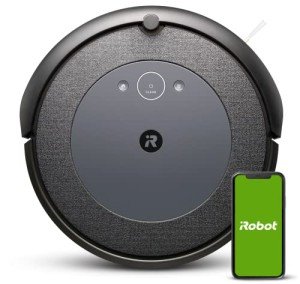 While robot vacuums are great in keeping your floors clean, they can't replace a large-sized vacuum. Even the most powerful robots have difficulty getting deep into rugs and carpets, and they may get caught with cords and socks.
Your bagless robot vacuum will last longer if you perform routine maintenance. This includes replacing filters, cutting hairs that have become tangled off brushes, and emptying the dustbin.
Battery Life
Most robot vacuums are able to handle a couple of cleaning sessions without having to be charged. The runner-up in our overall picks is the Ecovacs Deebot Q30S Combo is rated to last up to 180 minutes (3,230 square feet) of cleaning time on one charge. This will suffice for most small homes with a mixture of hard floors and low pile carpets or larger homes with rooms that are about the same size.
A longer battery life means that the robot is able to spend more time cleaning, and less time charging its dock. It's worth opting for an auto-emptying dust bin because those models are more efficient in cleaning up debris and returning to the dock to recharge. It's also important to empty or change the filter and wipe down cameras and sensors on a regular basis so they can see your home clearly.
Smart mapping technology can be a useful feature, since you can program your robot to ensure that it only cleans certain rooms or areas it's likely to bump into furniture and other obstacles. It's also beneficial for ensuring your robot is able to get under and around sofas, beds and other tall furniture. A few robovacs are cheap and have boundary strips you can place on the floor to block off areas while other high-end models make use of sensors and cameras for this purpose.
Even the best robot vacs cannot replace a traditional vacuum for heavy-duty large-pile dirt and other debris. It's best combo vacuum to keep an electric vacuum in your home for these tasks and schedule robot vacs for light cleanings throughout the week.
Navigation
A robot should be able to navigate you home without getting stuck or crashing into objects such as metal screws, loose pet hair, or sand. In our tests, we use an instrument to track the robot as it travels through a multi-room lab and shows its surroundings. We also test how the robot is able to avoid obstacles such as power cords, furniture leg and pet waste.
The best robots are able to identify multiple floors and identify landmarks, such as doors and windows. The most advanced models such as the Roborock S8 Pro Ultra, come with a dual-sensor navigation device that uses a LIDAR sensor to map the room, and a lighting camera in front of the bot to detect objects in real time. The S8 is able to avoid obstacles like power cords as well as legs of furniture. It can also store up to four floor maps.
The most affordable models use bump sensors, which are not as accurate. In my testing they cut right through dog poop, cords, and even a pair of shoes placed in the middle of the room. The Dreametech D10+ is the best value choice. It is a great carpet and hard automatic floor vacuum pickup, excellent tangle and hair pickup, and a near perfect auto empty score.
Another feature that is important is a huge onboard dustbin which doesn't have to be manually empty. It also has, for those models that mop, a tank of water which can store weeks of cleaning sessions. Karcher's RCV 5 is a great illustration of this. It has a big enough footprint to fit under furniture, but not so large that it cannot fit in the nook between your toilet and bathtub.
Apps
Robot vacuums are like their upright counterparts and require a lot of tech to bring them up to speed. The result is a pretty mature market with plenty of options. But even the top models require interaction with their users - especially when it comes to scheduling cleanings and establishing a floor plan, and setting up virtual barriers.
Consider a model with its own app that can recognize the layout of your home and save the settings for future use. This will allow the robot vacuum to continue where it began when it runs again, instead of having the mapping process restarted every time.
It's important to look out for a vacuum that comes with spot or zone cleaning modes. These allow you to tell the robot vacuum to focus on a specific area, such as under the dining room table after the family's big meal. You can usually choose to use the app or voice commands.
A lot of models also offer objects-avoidance. It allows the robot when it comes across something in its way such as a box of shoe or a crate with dog toys, to guide itself around. This will keep it from crashing into things that could damage its sensors or cause jams.
Some of the more expensive models we've tested include this feature. However, they usually rely on bump sensors for this and weren't always able to avoid obstacles in my test homes.
Pet Hair
When you're looking to remove pet hair, look for the right model designed to handle this kind of debris. The most effective models will have an extremely high suction, a brush that prevents tangling and an automatic hoover robot emptying mechanism. Certain models can detect levels of dirt and adjust the intensity of cleaning. They can also detect objects that aren't part your home flooring, like toys, furniture and food bowls.
Certain robot vacuums have additional features that are pet-friendly. These include a water dispenser that is used to mop floors and an HEPA filtration system that reduces allergens like pet dander. They might also offer a quieter operation that can reduce the amount of noise generated during cleaning sessions.
Robot vacuums that have maps are an excellent option for pet owners. They are designed to analyze your home and develop an attack plan based on the layout of each room and obstacles. For instance, the Shark Matrix Plus 2-in-1 Vacuum is a smart vacuum with an impressive capability to map rooms and navigate around furniture and other obstructions using accelerometer and gyroscope sensors that work in conjunction to learn the layout of your room.
Apps let you set up no-go zones. These are areas that the robot shouldn't be allowed, such as fragile items or pet feeding areas. This feature is particularly beneficial for families with a lot of activity because it allows you to schedule cleaning sessions and adjust settings without having to be in the same room as the vacuum. Spot cleaning is an additional fantastic feature. You can use the vacuum cleaner to clean an area that is particularly dirty or is brimming with pet hair.
Dust Bin
If you don't want anything small, go for a model with a large bin or even a self-emptying bin. That's why we recommend opting for a model that has a large bin or even self Vacuum-emptying garbage bin. The former will help you keep up with emptying the bin often enough to keep track of its performance, while the latter will save you time and hassle by automatically emptying its contents into an internal container after every few cleanings.
Whatever the size of your home the majority of robots are able to get up to and around furniture, and most can detect and navigate around household obstacles such as shoes, cords that are loose and dog puke. Make sure you choose models with smart mapping capabilities. This lets them "learn the layout of your house and plan more efficient route.
Some models also offer spot cleaning. This allows you to select an area of your home to be targeted for intensive cleaning. We've observed that the majority of the top performers in our tests can take in fine particles such as baking soda and sand, together with larger particles like oatmeal orzo pasta, metal screws, and pet hair.
According to the manufacturer the company, robots can last for years and continue to perform as well, so long as they are properly maintained. For example cleaning hair that is tangled out of brushes, emptying dust bins after each use and wiping cameras and sensors down when needed. The top robots are more flexible. This allows you to repair or replace parts like wheels and batteries when they get worn out.
While robot vacuums are great in keeping your floors clean, they can't replace a large-sized vacuum. Even the most powerful robots have difficulty getting deep into rugs and carpets, and they may get caught with cords and socks.Your bagless robot vacuum will last longer if you perform routine maintenance. This includes replacing filters, cutting hairs that have become tangled off brushes, and emptying the dustbin.
Battery Life
Most robot vacuums are able to handle a couple of cleaning sessions without having to be charged. The runner-up in our overall picks is the Ecovacs Deebot Q30S Combo is rated to last up to 180 minutes (3,230 square feet) of cleaning time on one charge. This will suffice for most small homes with a mixture of hard floors and low pile carpets or larger homes with rooms that are about the same size.
A longer battery life means that the robot is able to spend more time cleaning, and less time charging its dock. It's worth opting for an auto-emptying dust bin because those models are more efficient in cleaning up debris and returning to the dock to recharge. It's also important to empty or change the filter and wipe down cameras and sensors on a regular basis so they can see your home clearly.
Smart mapping technology can be a useful feature, since you can program your robot to ensure that it only cleans certain rooms or areas it's likely to bump into furniture and other obstacles. It's also beneficial for ensuring your robot is able to get under and around sofas, beds and other tall furniture. A few robovacs are cheap and have boundary strips you can place on the floor to block off areas while other high-end models make use of sensors and cameras for this purpose.
Even the best robot vacs cannot replace a traditional vacuum for heavy-duty large-pile dirt and other debris. It's best combo vacuum to keep an electric vacuum in your home for these tasks and schedule robot vacs for light cleanings throughout the week.
Navigation
A robot should be able to navigate you home without getting stuck or crashing into objects such as metal screws, loose pet hair, or sand. In our tests, we use an instrument to track the robot as it travels through a multi-room lab and shows its surroundings. We also test how the robot is able to avoid obstacles such as power cords, furniture leg and pet waste.
The best robots are able to identify multiple floors and identify landmarks, such as doors and windows. The most advanced models such as the Roborock S8 Pro Ultra, come with a dual-sensor navigation device that uses a LIDAR sensor to map the room, and a lighting camera in front of the bot to detect objects in real time. The S8 is able to avoid obstacles like power cords as well as legs of furniture. It can also store up to four floor maps.
The most affordable models use bump sensors, which are not as accurate. In my testing they cut right through dog poop, cords, and even a pair of shoes placed in the middle of the room. The Dreametech D10+ is the best value choice. It is a great carpet and hard automatic floor vacuum pickup, excellent tangle and hair pickup, and a near perfect auto empty score.
Another feature that is important is a huge onboard dustbin which doesn't have to be manually empty. It also has, for those models that mop, a tank of water which can store weeks of cleaning sessions. Karcher's RCV 5 is a great illustration of this. It has a big enough footprint to fit under furniture, but not so large that it cannot fit in the nook between your toilet and bathtub.
Apps
Robot vacuums are like their upright counterparts and require a lot of tech to bring them up to speed. The result is a pretty mature market with plenty of options. But even the top models require interaction with their users - especially when it comes to scheduling cleanings and establishing a floor plan, and setting up virtual barriers.
Consider a model with its own app that can recognize the layout of your home and save the settings for future use. This will allow the robot vacuum to continue where it began when it runs again, instead of having the mapping process restarted every time.
It's important to look out for a vacuum that comes with spot or zone cleaning modes. These allow you to tell the robot vacuum to focus on a specific area, such as under the dining room table after the family's big meal. You can usually choose to use the app or voice commands.
A lot of models also offer objects-avoidance. It allows the robot when it comes across something in its way such as a box of shoe or a crate with dog toys, to guide itself around. This will keep it from crashing into things that could damage its sensors or cause jams.
Some of the more expensive models we've tested include this feature. However, they usually rely on bump sensors for this and weren't always able to avoid obstacles in my test homes.
Pet Hair
When you're looking to remove pet hair, look for the right model designed to handle this kind of debris. The most effective models will have an extremely high suction, a brush that prevents tangling and an automatic hoover robot emptying mechanism. Certain models can detect levels of dirt and adjust the intensity of cleaning. They can also detect objects that aren't part your home flooring, like toys, furniture and food bowls.
Certain robot vacuums have additional features that are pet-friendly. These include a water dispenser that is used to mop floors and an HEPA filtration system that reduces allergens like pet dander. They might also offer a quieter operation that can reduce the amount of noise generated during cleaning sessions.
Robot vacuums that have maps are an excellent option for pet owners. They are designed to analyze your home and develop an attack plan based on the layout of each room and obstacles. For instance, the Shark Matrix Plus 2-in-1 Vacuum is a smart vacuum with an impressive capability to map rooms and navigate around furniture and other obstructions using accelerometer and gyroscope sensors that work in conjunction to learn the layout of your room.
Apps let you set up no-go zones. These are areas that the robot shouldn't be allowed, such as fragile items or pet feeding areas. This feature is particularly beneficial for families with a lot of activity because it allows you to schedule cleaning sessions and adjust settings without having to be in the same room as the vacuum. Spot cleaning is an additional fantastic feature. You can use the vacuum cleaner to clean an area that is particularly dirty or is brimming with pet hair.
Dust Bin
If you don't want anything small, go for a model with a large bin or even a self-emptying bin. That's why we recommend opting for a model that has a large bin or even self Vacuum-emptying garbage bin. The former will help you keep up with emptying the bin often enough to keep track of its performance, while the latter will save you time and hassle by automatically emptying its contents into an internal container after every few cleanings.
Whatever the size of your home the majority of robots are able to get up to and around furniture, and most can detect and navigate around household obstacles such as shoes, cords that are loose and dog puke. Make sure you choose models with smart mapping capabilities. This lets them "learn the layout of your house and plan more efficient route.
Some models also offer spot cleaning. This allows you to select an area of your home to be targeted for intensive cleaning. We've observed that the majority of the top performers in our tests can take in fine particles such as baking soda and sand, together with larger particles like oatmeal orzo pasta, metal screws, and pet hair.
According to the manufacturer the company, robots can last for years and continue to perform as well, so long as they are properly maintained. For example cleaning hair that is tangled out of brushes, emptying dust bins after each use and wiping cameras and sensors down when needed. The top robots are more flexible. This allows you to repair or replace parts like wheels and batteries when they get worn out.
댓글목록
등록된 댓글이 없습니다.