
What You Should Be Focusing On Enhancing Espresso Machine
페이지 정보
작성자 Steven 작성일25-02-13 10:46 조회8회 댓글0건관련링크
본문
Important Parts of an Espresso Machine
A high-quality espresso and filter coffee machine machine will give you a shot with a rich body, a rich flavor and an strong aroma. This requires a high pressure and temperature.
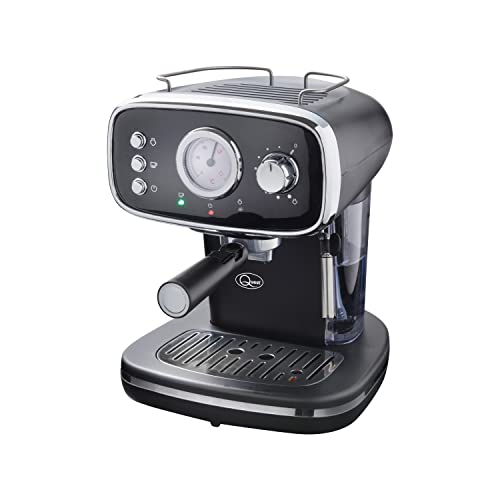 It is also important to be attentive to the crema, a golden-brown layer that gives the espresso its characteristic color and taste. There are four types of espresso machines, including semi-automatic, manual, and automatic.
Water reservoir
The reservoir of water is the container that holds the water that is cold, filtered and that is supplied to the espresso maker. It is usually removable and has a lid to keep the water free of dust and dirt. It is an essential part of an espresso maker and must be kept clean in order to prevent blocking. Pour vinegar into the reservoir to clean it. Let it run for a while.
The espresso machine utilizes water to pressurize the coffee grounds to extract the flavors, oils, and caffeine. It also produces crema, the foam. The first espresso machines were developed by Achille Gaggia, who used pistons that were attached to levers to produce high-pressure coffee. Gaggia's spring piston levers were used to push water through the coffee into the cup. This created a brand new term "coffee crème" (crema).
The pump is an electric device that moves the water through the heating element to heat it up to the ideal brewing temperature of 195 degrees Fahrenheit. It is usually situated at the bottom of the machine and is connected to a tube which runs up to the heating element. The tube is also connected at the other end to hot-water and cold-water tubes. It also passes underneath the heating elements of resistance that are coated with white grease to keep the plate warm.
Pump
The pump is the thing that makes espresso machines work with, and there are various kinds. For instance some machines utilize a vibratory or vibe pump which is an electromagnetic machine that moves between the sides of the coil to produce 60 pushes per second. The pump then forces water through the portafilter and out of the spouts. Other pumps utilize thermoblocks or a thermocoil heating system, which heats the water precisely to the temperature that is desired for the brewing. These systems permit the control of temperature and pressure, both of which are crucial for a good extraction.
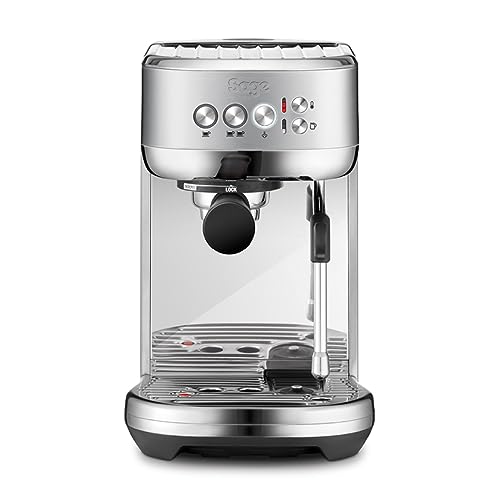 Pump-driven espresso machines can include a spring or piston design or an electric pump, however they all require water to flow through the coffee grounds under high pressure. The higher the pressure, the more delicious the extraction. The pump helps ensure that the ground coffee is evenly distributed, which helps to produce a good crema.
Other kinds of espresso machines uk machines are piston-driven or steam-driven. Steam pressure is used to force water through the grounds of coffee in a steam-driven espresso machine. This type of espresso machine is less expensive, but doesn't produce the same amount of pressure for extraction. There are also air-driven espresso machines that are smaller, lighter and do not require a steam boiler. They can be powered via a hand-pump or canister with compressed air (such CO2 or N2). Air-pump espresso makers produce less espresso when compared to pumps-driven machines, espresso coffee machines for Sale but can be more convenient for certain people.
Steam tool
The steam wand is a thin metal pipe that comes out of the espresso maker and releases steam hot and pressurized into your milk, resulting in foamy drinks such as cappuccinos, lattes. You can also make hot water for cocoa or tea. The wand comes with several holes that can be turned on and off to control the amount of steam released. Some machines have an old-fashioned wand, while others have a Pannarello wand, which is more simple to operate, however it doesn't produce the same type of foam needed for the latte art.
If you're having difficulty frothing your milk, you might be having issues with the valve that prevents vacuum in your espresso machine. This device was created to stop air from getting absorbed into the steam wand when it is in operation. You can test it by dropping the steam wand down while listening for a sound that makes a hiss. If you hear a sound that is hissing this indicates that air is being drawn into. You must raise the wand a little to let it submerge completely.
You can also check the anti-vacuum valve by removing the wand and washing it using warm water along with a soft-bristled toothbrush or sponge. It is essential to keep the wand clean to avoid clogging which can impact your frothing. If you're unable to fix the problem yourself, you can always talk to a professional technician or the manufacturer for assistance.
Control panel
The control panel of an espresso machine allows the user to configure and alter settings. Included are the strength of coffee and milk quantity. These settings are saved in memory and can be altered at any time. The display displays when the machine needs to be descaled and also whether the reservoir of water is full.
The majority of espresso coffee machines for sale (http://79bo2.com/space-uid-8798641.html) machines have hot water dispensers, either close to one of the groups or in between them. It can be used to prepare hot tea or to heat cups if needed. It can also be used for cleaning and rinsing. Many models have pressure gauges on the front of the machine, indicating the current pressure of the boiler.
A brew switch is also available, that controls the brew cycle as in the quantity of shots. This is crucial, since the size of the espresso shot is determined by how long the grounds are in direct contact with the water. If you wish, the switch can be used to begin the steaming process.
The control system of this espresso machine is a bit outdated, but it provides easy-to-use functions. It has a narrow LCD screen that appears like an LED. It is simple to navigate through the menus. However there is a little learning curve for those who are new to the use of espresso and filter coffee machine machines. The machine's ability to keep the temperature at a constant level is impressive. It can maintain a consistent water temperature of 194deg - the 208 degree F throughout the entire drinking process. This allows for perfect aroma extraction and ensures the same high-quality cup each time.
A high-quality espresso and filter coffee machine machine will give you a shot with a rich body, a rich flavor and an strong aroma. This requires a high pressure and temperature.
It is also important to be attentive to the crema, a golden-brown layer that gives the espresso its characteristic color and taste. There are four types of espresso machines, including semi-automatic, manual, and automatic.Water reservoir
The reservoir of water is the container that holds the water that is cold, filtered and that is supplied to the espresso maker. It is usually removable and has a lid to keep the water free of dust and dirt. It is an essential part of an espresso maker and must be kept clean in order to prevent blocking. Pour vinegar into the reservoir to clean it. Let it run for a while.
The espresso machine utilizes water to pressurize the coffee grounds to extract the flavors, oils, and caffeine. It also produces crema, the foam. The first espresso machines were developed by Achille Gaggia, who used pistons that were attached to levers to produce high-pressure coffee. Gaggia's spring piston levers were used to push water through the coffee into the cup. This created a brand new term "coffee crème" (crema).
The pump is an electric device that moves the water through the heating element to heat it up to the ideal brewing temperature of 195 degrees Fahrenheit. It is usually situated at the bottom of the machine and is connected to a tube which runs up to the heating element. The tube is also connected at the other end to hot-water and cold-water tubes. It also passes underneath the heating elements of resistance that are coated with white grease to keep the plate warm.
Pump
The pump is the thing that makes espresso machines work with, and there are various kinds. For instance some machines utilize a vibratory or vibe pump which is an electromagnetic machine that moves between the sides of the coil to produce 60 pushes per second. The pump then forces water through the portafilter and out of the spouts. Other pumps utilize thermoblocks or a thermocoil heating system, which heats the water precisely to the temperature that is desired for the brewing. These systems permit the control of temperature and pressure, both of which are crucial for a good extraction.
Pump-driven espresso machines can include a spring or piston design or an electric pump, however they all require water to flow through the coffee grounds under high pressure. The higher the pressure, the more delicious the extraction. The pump helps ensure that the ground coffee is evenly distributed, which helps to produce a good crema.Other kinds of espresso machines uk machines are piston-driven or steam-driven. Steam pressure is used to force water through the grounds of coffee in a steam-driven espresso machine. This type of espresso machine is less expensive, but doesn't produce the same amount of pressure for extraction. There are also air-driven espresso machines that are smaller, lighter and do not require a steam boiler. They can be powered via a hand-pump or canister with compressed air (such CO2 or N2). Air-pump espresso makers produce less espresso when compared to pumps-driven machines, espresso coffee machines for Sale but can be more convenient for certain people.
Steam tool
The steam wand is a thin metal pipe that comes out of the espresso maker and releases steam hot and pressurized into your milk, resulting in foamy drinks such as cappuccinos, lattes. You can also make hot water for cocoa or tea. The wand comes with several holes that can be turned on and off to control the amount of steam released. Some machines have an old-fashioned wand, while others have a Pannarello wand, which is more simple to operate, however it doesn't produce the same type of foam needed for the latte art.
If you're having difficulty frothing your milk, you might be having issues with the valve that prevents vacuum in your espresso machine. This device was created to stop air from getting absorbed into the steam wand when it is in operation. You can test it by dropping the steam wand down while listening for a sound that makes a hiss. If you hear a sound that is hissing this indicates that air is being drawn into. You must raise the wand a little to let it submerge completely.
You can also check the anti-vacuum valve by removing the wand and washing it using warm water along with a soft-bristled toothbrush or sponge. It is essential to keep the wand clean to avoid clogging which can impact your frothing. If you're unable to fix the problem yourself, you can always talk to a professional technician or the manufacturer for assistance.
Control panel
The control panel of an espresso machine allows the user to configure and alter settings. Included are the strength of coffee and milk quantity. These settings are saved in memory and can be altered at any time. The display displays when the machine needs to be descaled and also whether the reservoir of water is full.
The majority of espresso coffee machines for sale (http://79bo2.com/space-uid-8798641.html) machines have hot water dispensers, either close to one of the groups or in between them. It can be used to prepare hot tea or to heat cups if needed. It can also be used for cleaning and rinsing. Many models have pressure gauges on the front of the machine, indicating the current pressure of the boiler.
A brew switch is also available, that controls the brew cycle as in the quantity of shots. This is crucial, since the size of the espresso shot is determined by how long the grounds are in direct contact with the water. If you wish, the switch can be used to begin the steaming process.
The control system of this espresso machine is a bit outdated, but it provides easy-to-use functions. It has a narrow LCD screen that appears like an LED. It is simple to navigate through the menus. However there is a little learning curve for those who are new to the use of espresso and filter coffee machine machines. The machine's ability to keep the temperature at a constant level is impressive. It can maintain a consistent water temperature of 194deg - the 208 degree F throughout the entire drinking process. This allows for perfect aroma extraction and ensures the same high-quality cup each time.
댓글목록
등록된 댓글이 없습니다.