
You've Forgotten Espresso Machine: 10 Reasons Why You No Longer Need I…
페이지 정보
작성자 Beth 작성일25-02-13 10:50 조회7회 댓글0건관련링크
본문
Important Parts of an Espresso Machine
A high-quality espresso machine will deliver a strong and thick-bodied shot of coffee with a full-bodied flavor and intense aroma. This requires high levels of temperature and pressure.
Pay focus on the crema. This golden-brown layer gives rich espressos their characteristic flavor and color. There are four major types of espresso machines: semi-automatic, manual, automatic and super-automatic.
Water reservoir
The reservoir of water is the container in which you store the water that is cold, filtered and that is supplied to the espresso machine. It is usually removable and comes with an lid that keeps the water clean and free of dust. It is an essential component of an espresso maker, and must be kept clean to avoid the clogging. To clean it, you can add vinegar to the reservoir and let it run for several minutes.
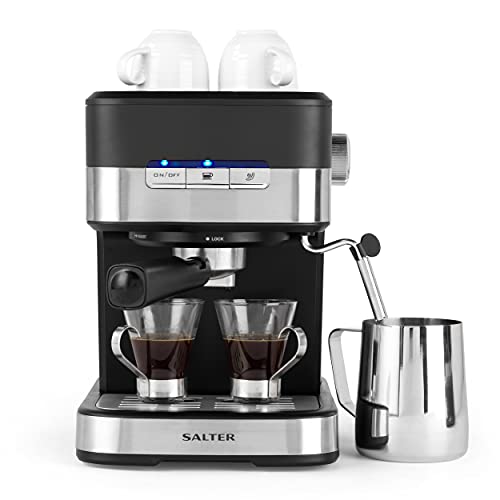 The barista espresso coffee machine machine uses water to pressurize the coffee grounds and extract the flavors, oils and caffeine. It also produces crema, which is the foam. Achille Gaggia invented the first espresso machines that used pistons and levers to create high-pressure coffee. Gaggia's spring piston levers pushed water through the coffee into the cup. This created a brand new language called "coffee crème" (crema).
The pump uses electricity to force water through the heating element in order to heat it to the ideal temperature for brewing of 195 degrees Fahrenheit. The pump is usually located at the bottom of the machine. It is connected to a tube that goes through the heating elements. It also connects at both ends to the cold-water tube and the hot-water tube. It also runs under the resistive heating elements that are coated with white grease to keep the plate warm.
Pump
There are various kinds of espresso machines. For example certain machines use vibratory or vibe pumps that makes use of an electromagnetic motor that moves between the sides of the coil to produce 60 pushes per second. The pump then forces water through the portafilter, and out of the spouts. Other pumps use the heating system known as a thermoblock, or thermocoil, to warm the water precisely to the temperature required for the brewing. These systems allow for the control of temperature and pressure, which are crucial for a good extraction.
Pump-driven espresso machines may use a piston, spring or electric pump. However, all require that water be circulated through the grounds of the coffee at a high pressure. The higher the pressure, more delicious the extraction. The pump will also ensure that the ground coffee is evenly dispersed, which helps create a nice crema.
Steam-driven and piston-driven espresso machines are also available. Steam pressure is used to force water through the grounds of coffee in a steam-driven espresso machine. This type of espresso machine is less expensive, but doesn't produce the same amount of pressure for extraction. There are also air pump-driven espresso machines which are smaller, lighter and do not require steam boilers. They can be powered with a hand pump or a canister with compressed air (such CO2 or N2). Air-pump-driven espresso makers produce less pressure than pump-driven espresso machines however, they are more suitable for some.
Steam tool
The steam wand is the thin metal pipe that is inserted out of the espresso maker and releases steam that is hot and pressurized into the milk to create foamy drinks like cappuccinos and lattes. You can also use the wand to create hot water for tea or cocoa. The wand comes with several holes that can be turned on and off to regulate the amount of steam released. Some machines have a traditional wand and others have a Pannarello that is simpler to use, but doesn't make foam suitable for latte art.
If you are having trouble getting your milk to froth, you might be having issues with the valve that prevents vacuum in your espresso machine. This valve is designed to prevent air from sucking into the steam wand while in operation. You can test it by lowering the steam wand while listening for a hissing noise. If you hear this noise it is an indication that air is being drawn into the wand and you need to raise the wand just a little to let it submerge more completely.
You can also check the anti-vacuum valve by removing the wand and cleaning it using warm water and a soft-bristled brush or sponge. It is crucial to clean the wand regularly to avoid clogging that could affect the frost. If you're not able to fix the issue on your own, then you can always contact a professional espresso machine for home technician or the manufacturer for assistance.
Control panel
The control panel of an espresso machine allows the user to set up and modify settings. These include coffee strength as well as milk volume. These settings are stored in memory and can be modified anytime. The display will indicate when the machine must be descaled and also when the reservoir for water is full.
The majority of espresso machines have a hot water dispenser. This is usually placed close to or between groups. It can be used to make hot cups or tea, depending on the need. It can also be used to clean and best Bean To cup espresso machine rinse. Many models come with pressure gauges that display the current pressure of the boiler.
A brew switch is accessible, best bean to cup espresso machine which controls the brew cycle as well as the number of shots. This is crucial, since the size of the espresso shot is determined by the length of time the grounds are in direct contact with the water. The switch can also be used to start the steaming process in the event that you want to.
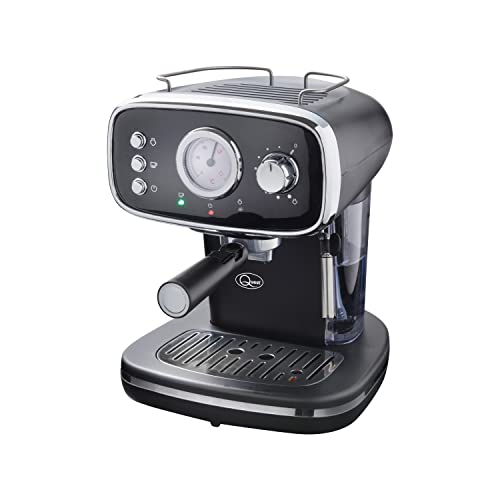 The control system on this espresso machine may be a bit old-fashioned, yet it has a user-friendly interface. It has a narrow LCD screen that looks more like an LED. It is easy best espresso maker bean to cup espresso machine; https://www.metooo.it/u/6770dbd4b4f59c1178de3379, navigate through the menus. However there is a slight learning curve for those who are unfamiliar with the use of espresso machines. The machine's temperature stability is impressive as well. It ensures a perfect temperature of 194deg to 208deg F throughout the entire making process. This ensures perfect aroma extraction and guarantees an even, high-quality, consistent cup each time.
A high-quality espresso machine will deliver a strong and thick-bodied shot of coffee with a full-bodied flavor and intense aroma. This requires high levels of temperature and pressure.
Pay focus on the crema. This golden-brown layer gives rich espressos their characteristic flavor and color. There are four major types of espresso machines: semi-automatic, manual, automatic and super-automatic.
Water reservoir
The reservoir of water is the container in which you store the water that is cold, filtered and that is supplied to the espresso machine. It is usually removable and comes with an lid that keeps the water clean and free of dust. It is an essential component of an espresso maker, and must be kept clean to avoid the clogging. To clean it, you can add vinegar to the reservoir and let it run for several minutes.
The barista espresso coffee machine machine uses water to pressurize the coffee grounds and extract the flavors, oils and caffeine. It also produces crema, which is the foam. Achille Gaggia invented the first espresso machines that used pistons and levers to create high-pressure coffee. Gaggia's spring piston levers pushed water through the coffee into the cup. This created a brand new language called "coffee crème" (crema).The pump uses electricity to force water through the heating element in order to heat it to the ideal temperature for brewing of 195 degrees Fahrenheit. The pump is usually located at the bottom of the machine. It is connected to a tube that goes through the heating elements. It also connects at both ends to the cold-water tube and the hot-water tube. It also runs under the resistive heating elements that are coated with white grease to keep the plate warm.
Pump
There are various kinds of espresso machines. For example certain machines use vibratory or vibe pumps that makes use of an electromagnetic motor that moves between the sides of the coil to produce 60 pushes per second. The pump then forces water through the portafilter, and out of the spouts. Other pumps use the heating system known as a thermoblock, or thermocoil, to warm the water precisely to the temperature required for the brewing. These systems allow for the control of temperature and pressure, which are crucial for a good extraction.
Pump-driven espresso machines may use a piston, spring or electric pump. However, all require that water be circulated through the grounds of the coffee at a high pressure. The higher the pressure, more delicious the extraction. The pump will also ensure that the ground coffee is evenly dispersed, which helps create a nice crema.
Steam-driven and piston-driven espresso machines are also available. Steam pressure is used to force water through the grounds of coffee in a steam-driven espresso machine. This type of espresso machine is less expensive, but doesn't produce the same amount of pressure for extraction. There are also air pump-driven espresso machines which are smaller, lighter and do not require steam boilers. They can be powered with a hand pump or a canister with compressed air (such CO2 or N2). Air-pump-driven espresso makers produce less pressure than pump-driven espresso machines however, they are more suitable for some.
Steam tool
The steam wand is the thin metal pipe that is inserted out of the espresso maker and releases steam that is hot and pressurized into the milk to create foamy drinks like cappuccinos and lattes. You can also use the wand to create hot water for tea or cocoa. The wand comes with several holes that can be turned on and off to regulate the amount of steam released. Some machines have a traditional wand and others have a Pannarello that is simpler to use, but doesn't make foam suitable for latte art.
If you are having trouble getting your milk to froth, you might be having issues with the valve that prevents vacuum in your espresso machine. This valve is designed to prevent air from sucking into the steam wand while in operation. You can test it by lowering the steam wand while listening for a hissing noise. If you hear this noise it is an indication that air is being drawn into the wand and you need to raise the wand just a little to let it submerge more completely.
You can also check the anti-vacuum valve by removing the wand and cleaning it using warm water and a soft-bristled brush or sponge. It is crucial to clean the wand regularly to avoid clogging that could affect the frost. If you're not able to fix the issue on your own, then you can always contact a professional espresso machine for home technician or the manufacturer for assistance.
Control panel
The control panel of an espresso machine allows the user to set up and modify settings. These include coffee strength as well as milk volume. These settings are stored in memory and can be modified anytime. The display will indicate when the machine must be descaled and also when the reservoir for water is full.
The majority of espresso machines have a hot water dispenser. This is usually placed close to or between groups. It can be used to make hot cups or tea, depending on the need. It can also be used to clean and best Bean To cup espresso machine rinse. Many models come with pressure gauges that display the current pressure of the boiler.
A brew switch is accessible, best bean to cup espresso machine which controls the brew cycle as well as the number of shots. This is crucial, since the size of the espresso shot is determined by the length of time the grounds are in direct contact with the water. The switch can also be used to start the steaming process in the event that you want to.
The control system on this espresso machine may be a bit old-fashioned, yet it has a user-friendly interface. It has a narrow LCD screen that looks more like an LED. It is easy best espresso maker bean to cup espresso machine; https://www.metooo.it/u/6770dbd4b4f59c1178de3379, navigate through the menus. However there is a slight learning curve for those who are unfamiliar with the use of espresso machines. The machine's temperature stability is impressive as well. It ensures a perfect temperature of 194deg to 208deg F throughout the entire making process. This ensures perfect aroma extraction and guarantees an even, high-quality, consistent cup each time.댓글목록
등록된 댓글이 없습니다.