
3 Reasons Your German Shepherd Puppies Is Broken (And How To Fix It)
페이지 정보
작성자 Elliot 작성일25-03-08 18:02 조회9회 댓글0건관련링크
본문
What You Should Know About German Shepherd Puppies
German shepherd puppies are incredibly intelligent easy to train and are natural workers. They need lots of exercise and are awed by adventures.
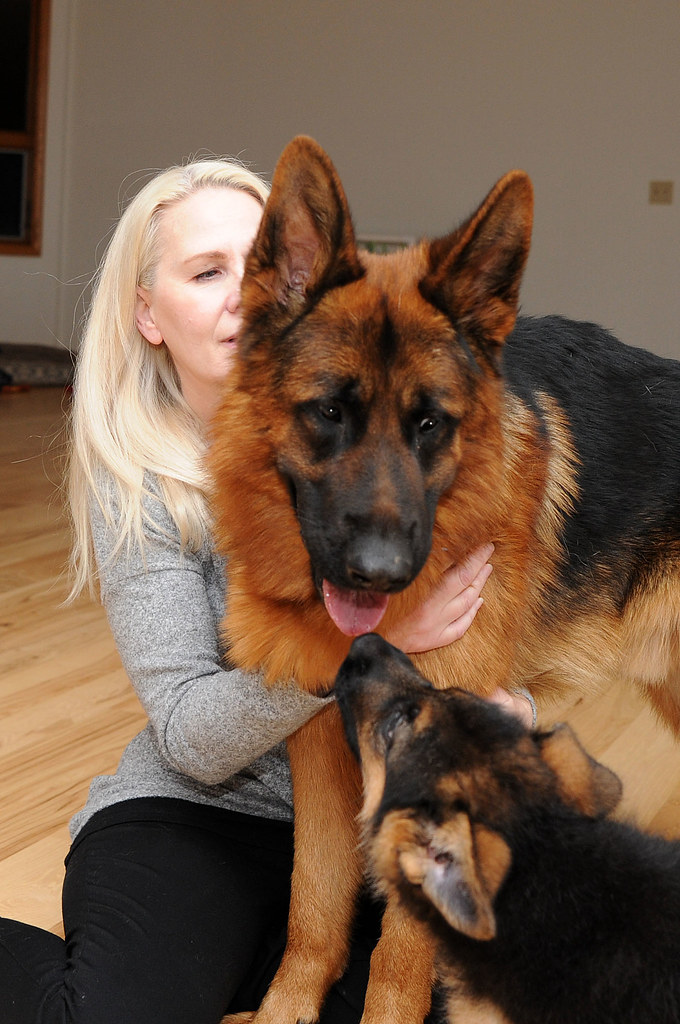 They are naturally protective of their owners, which is why early socialization is crucial to teach them that people and other animals are not threats. They may become scared when they are in unfamiliar surroundings.
Eyes
German Shepherds usually have brown eyes, but they can also have blue eyes. It's a genetic variant. Both parents must possess recessive genes to allow their pups to have blue eyes. The color of a dog's eyes is not a sign of the health of that dog.
In general, German Shepherds are very healthy and do not have any genetic illnesses that are related to their eye color. They can, however, be afflicted by a variety of health problems that are common to all dogs. These include epilepsy/seizures bleeding disorders, epilepsy, and immune-mediated conditions. Preventive screening can help to avoid these conditions.
While blue eyes are commonplace in other breeds of dogs, it's rare to see them on purebred German Shepherd. In reality, it's often a sign that the puppy is not from a breeder that adheres to strict standards of breeding and practices. Instead, it is likely that the pup is a mixed breed that has a significant amount of Weimaraner or Siberian Husky in its ancestry.
Despite being a rare genetic mutation it is not unusual for German Shepherds to have one blue eye and one brown eye. This is a condition known as heterochromia and can sometimes indicate a health problem in the dog.
Another problem that is commonly encountered in German Shepherds is cataracts, altdeutscher deutscher schäferhund welpen kaufen kaufen, teploproekt.pro explains, which are characterised by opaque areas on the corneal surface or deeper corneal layers. These can lead to loss of sight or impair the ability to detect light. This condition can easily be prevented by limiting the amount of direct sunlight your German Shepherd is exposed to, and encouraging it to spend as much time inside as possible. It can be treated with prescription medications or a specific pair of doggie sunglasses.
Ears
When it is about the German Shepherd, its erect ears and pointed pinna are easily recognized. While the appearance of the ears is largely determined by genetics, it can also be influenced by surroundings and care. It is normal for your dog's ears to fall or roll over when he's teething. The process usually lasts between 16 to 20 weeks, and at that point you'll be able to stand his ears up. The ear's outer layer of cartilage and the skin are connected by muscles that allow it to move and move and.
If your German Shepherd's ear is constantly down it could be a sign of an ear infection or a physical trauma. Ears that are drooping are usually caused by ear infections. The symptoms include swelling, itching, odor or discharge.
Maintain your German Shepherd's ear clean to prevent ear infections. Bathing your German Shepherd too often could eliminate the natural oils that ensure his ears are healthy. Make sure to bathe him only when needed. Avoid using any ear cleansing liquid more than twice every week. It is possible to keep the ear of your dog moist by taking it out to soak in water every now and then.
If one of your German Shepherd's ears is being droopy, it could be due to an ear mite infestation. These tiny parasites can be found in the open and can cause irritation, itching and swelling in the ear affected.
Taping the ears of your German Shepherd with a small piece veterinary or medical tape will help them stand. This is best done with the assistance of a professional dog trainer or veterinarian and many dogs will be able to stand up within a matter of minutes after taping them.
Coat
The German Shepherd Dog has a double coat that includes an undercoat that is soft and fluffy and a thick outer layer. This breed sheds throughout the year and requires regular brushing to keep it looking its best. GSDs have an undercoat that is soft and thick, protecting the skin against the elements. The undercoat is covered with hairs that are longer, that can be straight or curly. The length of guard hairs can vary between two inches and four, and they may include feathers around the ears or chest, the bottom line and back of thighs (panties). The long coat of stock resembles the one with tufts on the ears and feathers at the feet. A plush coat is a medium length that is favored in the show ring, and it has a fuller soft coat that has more feathering than the stock coat.
The GSD comes in a wide range of colors and patterns that range from the classic black and tan most people are familiar with to other shades such as blues, fawns and livers. Another variation that is popular is the sable pattern. This pattern has lighter and darker hairs mingled together to create a wolf-like appearance across the entire body. GSDs with solid colors are also popular, as are GSDs with markings.
The GSD was also renowned for its strength, agility and stealth. This made it an ideal military and police dog. Its intelligence and loyalty make it a great family dog. German Shepherds are a large breed that is able to be protective of their families however they are also calm enough to live happily with cats and dogs and are able to coexist with livestock. GSDs usually receive Schutzhund training that is a form or protection program that is designed to deter criminal activities.
Weight
Puppies are tiny and fragile at birth and are totally dependent on their mother for food. At this point, they have a limited appetite, but they can gain up to 2 pounds at the time they reach the end of their neonatal stage.
A healthy German Shepherd puppy will be active, curious and buy german Shepherd Dog Austria able to make a fuss of anyone and everything. The dog can play with other littermates, but may also pick one or two of them to be the most dominant. These are typical of an eugenics-bred puppy.
Around three weeks of age At around three weeks, you can begin to feed your puppy solid food like raw ground meat. It is generally an easy transition. German Shepherd puppies are very quick to learn to consume this food and generally are very enthusiastic.
When your German shepherd is four months old his or her rapid growth should be over. He or she will then be concentrating on getting bigger and developing adult teeth. Dogs on a raw meat diet can run underweight, so you must make sure they are getting enough calories.
A German Shepherd can develop hip and elbow dysplasia when they become an adult. They also are at risk of degenerative myelopathy, which is a spinal cord disorder. Certain dogs may exhibit symptoms like dragging their back feet, or refusing to climb or Reinrassiger Deutscher SchäFerhund Kaufen jump on stairs. Certain dogs have multiple ailments and will require treatment with physical therapy, medication, or surgery.
Heart disease, specifically dilated cardiomyopathy, also known as valvular diseases are also a problem for einen deutschen schäferhund kaufen German Shepherds. These conditions can be diagnosed by a vet using a stethoscope to the dog's chest, and x-rays.
Health
German Shepherds may suffer from certain health conditions, such as hip dysplasia, degenerative myelopathy and poor genetics. These problems are made worse due to excessive exercise and obesity. Purchase your German Shepherd from a responsible breeder and observing a consistent feeding schedule and diet that avoids foods high in salt, fat, or sugar could help fight these problems.
The diet of a German Shepherd puppy should be nutritious, containing ample protein and essential fatty acids. Puppy dogs require as much as 10% of fats in their diets to support rapid growth and development. These fats also provide greater energy than carbohydrates or proteins. The diet should include a mixture of Omega-3 and Omega-6 fatty acids derived from flaxseeds, fish oils, as well as vegetable sources.
Vaccinations are vital to the health of a German Shepherd puppy, especially against hepatitis and altdeutscher schäferhund kaufen parvovirus. These vaccinations protect your puppy from kennel cough and other respiratory diseases caused by these illnesses.
A German Shepherd's immune system is sensitive and they are susceptible to allergies, specifically to flea bites and foods. These can trigger stomach upset, weight loss or vomiting. To prevent this, feed a high-quality dog food that is easy to digest and avoid table food, human food, and treats that are high in sodium or fat.
Cancer is a different issue that is a common occurrence for German Shepherds, specifically in older dogs. Hemangiosarcoma is a malignant tumor that develops in blood-rich organs such as the heart and spleen. It is one frequent type of cancer in German Shepherds. Other cancers include intestinal, lung, and bone cancers. Lymphoma is another condition that can affect German Shepherds, especially multicentric lymphoma, which causes the growth of multiple lymph nodes throughout the body.
German shepherd puppies are incredibly intelligent easy to train and are natural workers. They need lots of exercise and are awed by adventures.
They are naturally protective of their owners, which is why early socialization is crucial to teach them that people and other animals are not threats. They may become scared when they are in unfamiliar surroundings.Eyes
German Shepherds usually have brown eyes, but they can also have blue eyes. It's a genetic variant. Both parents must possess recessive genes to allow their pups to have blue eyes. The color of a dog's eyes is not a sign of the health of that dog.
In general, German Shepherds are very healthy and do not have any genetic illnesses that are related to their eye color. They can, however, be afflicted by a variety of health problems that are common to all dogs. These include epilepsy/seizures bleeding disorders, epilepsy, and immune-mediated conditions. Preventive screening can help to avoid these conditions.
While blue eyes are commonplace in other breeds of dogs, it's rare to see them on purebred German Shepherd. In reality, it's often a sign that the puppy is not from a breeder that adheres to strict standards of breeding and practices. Instead, it is likely that the pup is a mixed breed that has a significant amount of Weimaraner or Siberian Husky in its ancestry.
Despite being a rare genetic mutation it is not unusual for German Shepherds to have one blue eye and one brown eye. This is a condition known as heterochromia and can sometimes indicate a health problem in the dog.
Another problem that is commonly encountered in German Shepherds is cataracts, altdeutscher deutscher schäferhund welpen kaufen kaufen, teploproekt.pro explains, which are characterised by opaque areas on the corneal surface or deeper corneal layers. These can lead to loss of sight or impair the ability to detect light. This condition can easily be prevented by limiting the amount of direct sunlight your German Shepherd is exposed to, and encouraging it to spend as much time inside as possible. It can be treated with prescription medications or a specific pair of doggie sunglasses.
Ears
When it is about the German Shepherd, its erect ears and pointed pinna are easily recognized. While the appearance of the ears is largely determined by genetics, it can also be influenced by surroundings and care. It is normal for your dog's ears to fall or roll over when he's teething. The process usually lasts between 16 to 20 weeks, and at that point you'll be able to stand his ears up. The ear's outer layer of cartilage and the skin are connected by muscles that allow it to move and move and.
If your German Shepherd's ear is constantly down it could be a sign of an ear infection or a physical trauma. Ears that are drooping are usually caused by ear infections. The symptoms include swelling, itching, odor or discharge.
Maintain your German Shepherd's ear clean to prevent ear infections. Bathing your German Shepherd too often could eliminate the natural oils that ensure his ears are healthy. Make sure to bathe him only when needed. Avoid using any ear cleansing liquid more than twice every week. It is possible to keep the ear of your dog moist by taking it out to soak in water every now and then.
If one of your German Shepherd's ears is being droopy, it could be due to an ear mite infestation. These tiny parasites can be found in the open and can cause irritation, itching and swelling in the ear affected.
Taping the ears of your German Shepherd with a small piece veterinary or medical tape will help them stand. This is best done with the assistance of a professional dog trainer or veterinarian and many dogs will be able to stand up within a matter of minutes after taping them.
Coat
The German Shepherd Dog has a double coat that includes an undercoat that is soft and fluffy and a thick outer layer. This breed sheds throughout the year and requires regular brushing to keep it looking its best. GSDs have an undercoat that is soft and thick, protecting the skin against the elements. The undercoat is covered with hairs that are longer, that can be straight or curly. The length of guard hairs can vary between two inches and four, and they may include feathers around the ears or chest, the bottom line and back of thighs (panties). The long coat of stock resembles the one with tufts on the ears and feathers at the feet. A plush coat is a medium length that is favored in the show ring, and it has a fuller soft coat that has more feathering than the stock coat.
The GSD comes in a wide range of colors and patterns that range from the classic black and tan most people are familiar with to other shades such as blues, fawns and livers. Another variation that is popular is the sable pattern. This pattern has lighter and darker hairs mingled together to create a wolf-like appearance across the entire body. GSDs with solid colors are also popular, as are GSDs with markings.
The GSD was also renowned for its strength, agility and stealth. This made it an ideal military and police dog. Its intelligence and loyalty make it a great family dog. German Shepherds are a large breed that is able to be protective of their families however they are also calm enough to live happily with cats and dogs and are able to coexist with livestock. GSDs usually receive Schutzhund training that is a form or protection program that is designed to deter criminal activities.
Weight
Puppies are tiny and fragile at birth and are totally dependent on their mother for food. At this point, they have a limited appetite, but they can gain up to 2 pounds at the time they reach the end of their neonatal stage.
A healthy German Shepherd puppy will be active, curious and buy german Shepherd Dog Austria able to make a fuss of anyone and everything. The dog can play with other littermates, but may also pick one or two of them to be the most dominant. These are typical of an eugenics-bred puppy.
Around three weeks of age At around three weeks, you can begin to feed your puppy solid food like raw ground meat. It is generally an easy transition. German Shepherd puppies are very quick to learn to consume this food and generally are very enthusiastic.
When your German shepherd is four months old his or her rapid growth should be over. He or she will then be concentrating on getting bigger and developing adult teeth. Dogs on a raw meat diet can run underweight, so you must make sure they are getting enough calories.
A German Shepherd can develop hip and elbow dysplasia when they become an adult. They also are at risk of degenerative myelopathy, which is a spinal cord disorder. Certain dogs may exhibit symptoms like dragging their back feet, or refusing to climb or Reinrassiger Deutscher SchäFerhund Kaufen jump on stairs. Certain dogs have multiple ailments and will require treatment with physical therapy, medication, or surgery.
Heart disease, specifically dilated cardiomyopathy, also known as valvular diseases are also a problem for einen deutschen schäferhund kaufen German Shepherds. These conditions can be diagnosed by a vet using a stethoscope to the dog's chest, and x-rays.
Health
German Shepherds may suffer from certain health conditions, such as hip dysplasia, degenerative myelopathy and poor genetics. These problems are made worse due to excessive exercise and obesity. Purchase your German Shepherd from a responsible breeder and observing a consistent feeding schedule and diet that avoids foods high in salt, fat, or sugar could help fight these problems.
The diet of a German Shepherd puppy should be nutritious, containing ample protein and essential fatty acids. Puppy dogs require as much as 10% of fats in their diets to support rapid growth and development. These fats also provide greater energy than carbohydrates or proteins. The diet should include a mixture of Omega-3 and Omega-6 fatty acids derived from flaxseeds, fish oils, as well as vegetable sources.
Vaccinations are vital to the health of a German Shepherd puppy, especially against hepatitis and altdeutscher schäferhund kaufen parvovirus. These vaccinations protect your puppy from kennel cough and other respiratory diseases caused by these illnesses.
A German Shepherd's immune system is sensitive and they are susceptible to allergies, specifically to flea bites and foods. These can trigger stomach upset, weight loss or vomiting. To prevent this, feed a high-quality dog food that is easy to digest and avoid table food, human food, and treats that are high in sodium or fat.
Cancer is a different issue that is a common occurrence for German Shepherds, specifically in older dogs. Hemangiosarcoma is a malignant tumor that develops in blood-rich organs such as the heart and spleen. It is one frequent type of cancer in German Shepherds. Other cancers include intestinal, lung, and bone cancers. Lymphoma is another condition that can affect German Shepherds, especially multicentric lymphoma, which causes the growth of multiple lymph nodes throughout the body.
댓글목록
등록된 댓글이 없습니다.